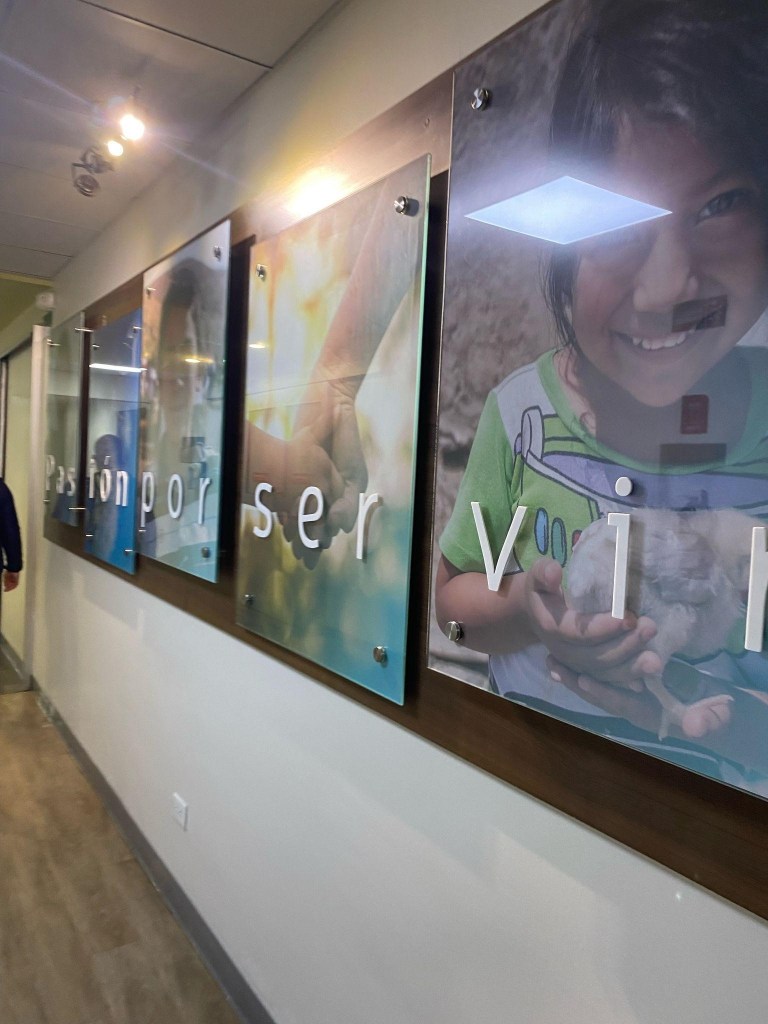
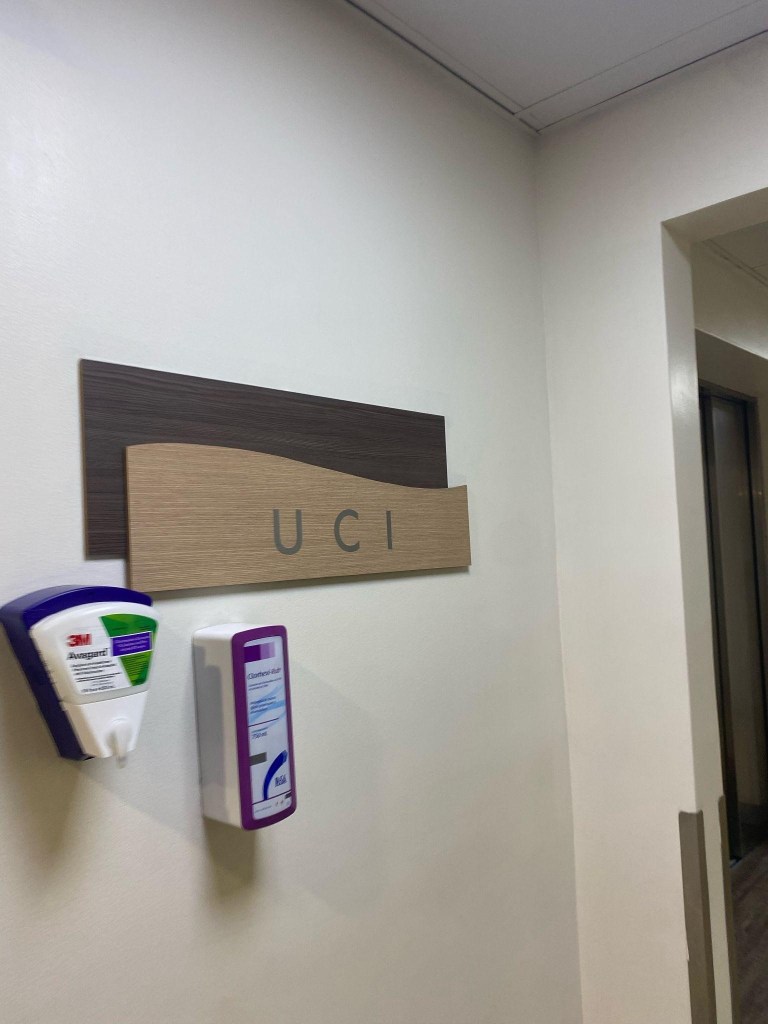
The first two weeks of my border health rotation were spent at the Red Cross in Tijuana. According to the 2000 U.S. National Census, approximately 49 percent of residents living in a border town are Hispanic, mostly of Mexican origin. They mix with people of other ethnic groups throughout the border region, including non-Hispanic whites, American Indians, Asian-Americans, and others. According to several studies, the border population is disproportionately affected by diabetes mellitus, cervical cancer, communicable diseases including tuberculosis, and certain unintentional injuries including unintentional poisonings (United States Border Health Commission). This Tijuana Red Cross, humanitarian institution, was founded in 1944 by a committed group of individuals from Tijuana and is sustained 53% by donations. Additionally, there is a nursing school and a first aid school located at this particular Red Cross. The mission is to provide quality care to all individuals and respond to emergency situations and mass casualty/disaster events. The hospital itself is equipped with an ICU + pediatric ICU, operating room, general wards, CT scanner/X-Ray, blood bank, and more.

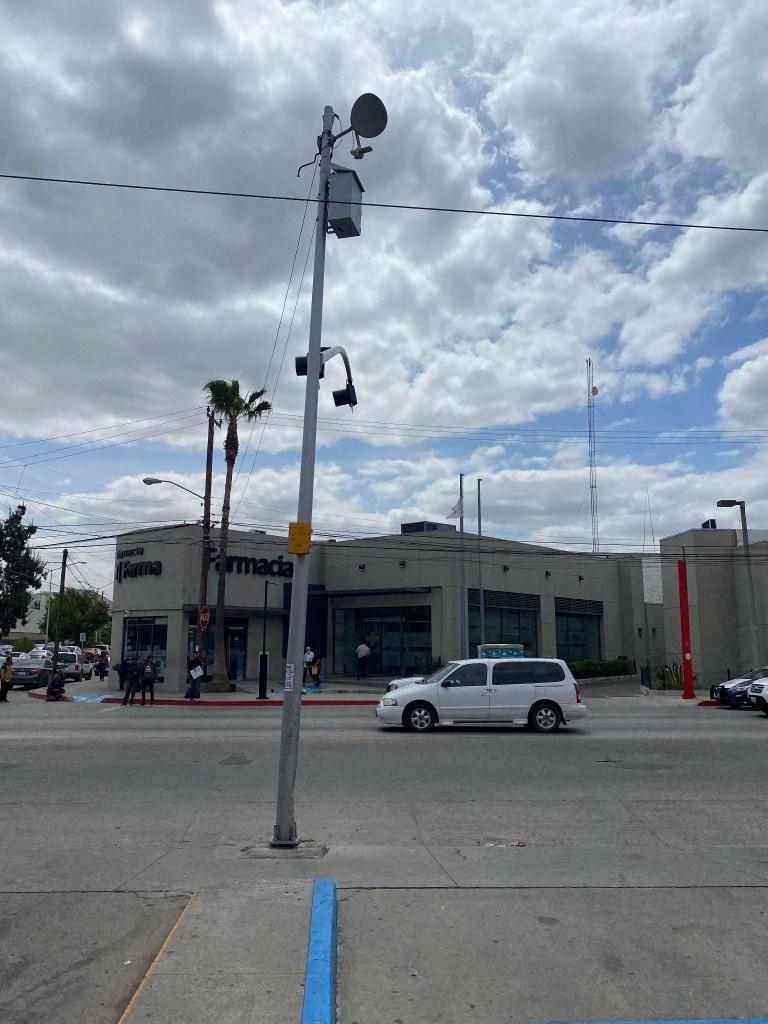
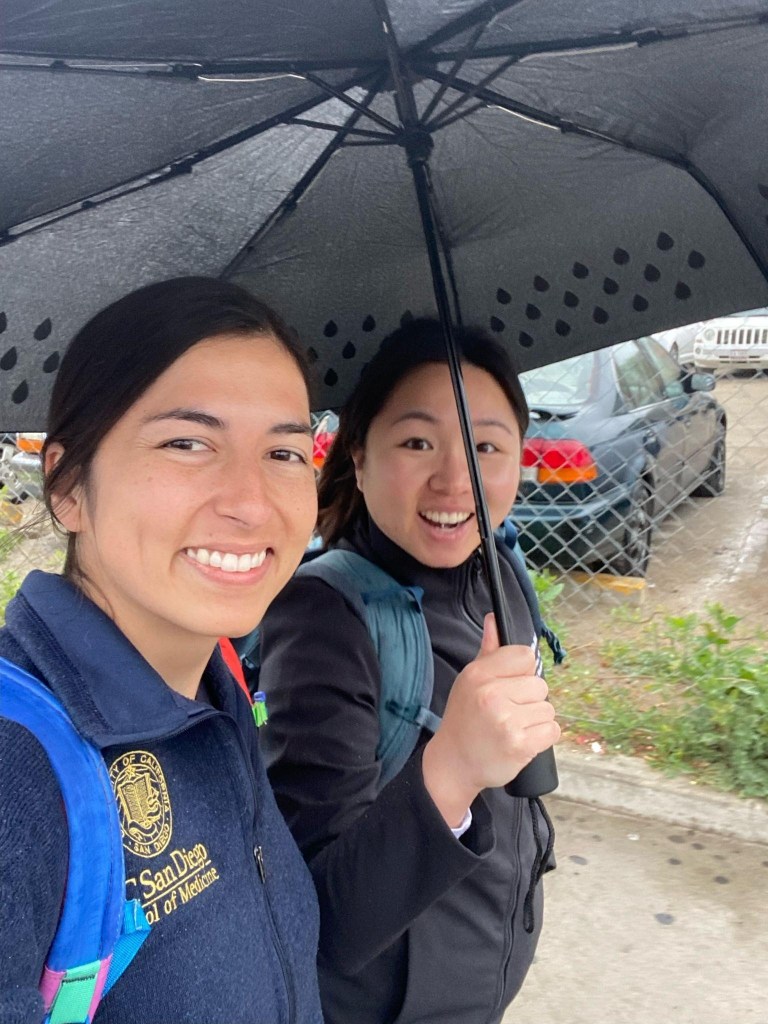
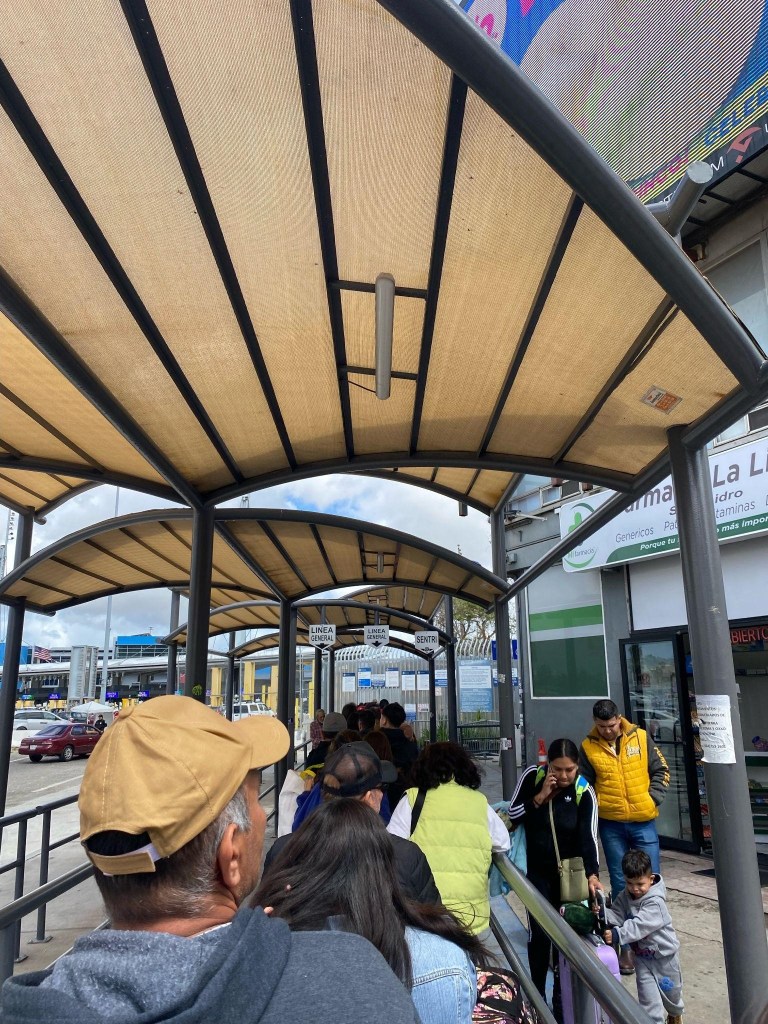
I spent this rotation alongside two UCSD Internal Medicine residents. We crossed the border together every day and experienced the contrast between the San Ysidro side and the Tijuana side of life. The first day was interesting as it was a holiday in Mexico (Labor Day, May 1st) and most of the medical team was off work that day. Nonetheless, we were able to get acquainted with the hospital and learn more about the mission. By the second day, we were experiencing rounds in Spanish, and it was something to get used to! The presentation format is similar to what we’re used to at UCSD, so we were able to follow along, participate, and give our input on management. The patients we evaluated had a range of illnesses including strokes (+ post-tpa care), cirrhosis (spontaneous bacterial peritonitis), trauma induced injuries (fractures, lacerations, and abdominal injuries), empyema’s, HIV complications, miliary TB, Pneumocystis pneumonia, C. diff, ulcerative colitis, and more. Some management plans are done differently in the hospital than what I am used to seeing in San Diego. However, a lot of limitations in medical care come from limited resources and financial stresses on the family of patients. The medical team were eager to include us in patient care and we were given the opportunity to use the ultrasound for bedside echo’s and carotid evaluations.
It has been an incredible privilege to work at the Red Cross, to serve and to learn from the diverse patient population.


References
Border Lives: Health Status in the United States-Mexico Border Region, 04/2010.
