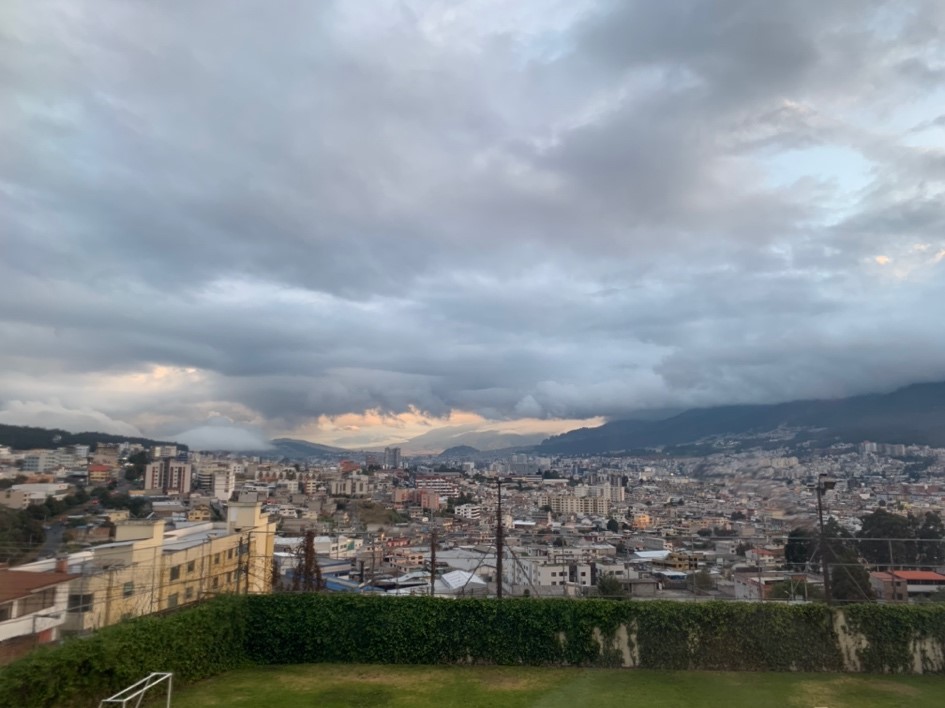
Hello from Bogotá! I am writing this blog post on my way back home from an incredible summer in Ecuador during my 7-hour layover in Colombia.
I came to Ecuador with GHAC to work on the ESPINA project (Exposición Secundaria a Plagucidias en Niños y Adolescentes). This project is under the direction of Dr. José Ricardo Suárez, MD, PhD, MPH, and the CIMAS foundation, located in Quito, Ecuador. This is a longitudinal study aimed to better understanding the health effects of chronic secondary pesticide exposure in children and adolescents of floriculture workers in Pedro Moncayo County, Pichincha, Ecuador. Ecuador is one of the world’s largest producers of flowers, especially roses, and pesticide exposure and toxicity is of a growing concern. I stayed in Quito for two months, with the first four weeks dedicated to data collection, and the last three to analysis, manuscript writing, and some exploration of Ecuador.
For data collection, the CIMAS team and I would go to various municipalities in Pedro Moncayo County every Saturday and Sunday, leaving Quito at 6am, and finishing around 4pm. In total we worked with around 400 participants, taking measurements of height, weight, and blood pressure, and samples of urine, blood, saliva, and hair. I mostly worked in the team collecting small amounts of blood to measure Acetylcholinesterase activity (a marker of organophosphate exposure), and to help aliquot urine and saliva samples into tubes appropriate for transport to the United States for testing.
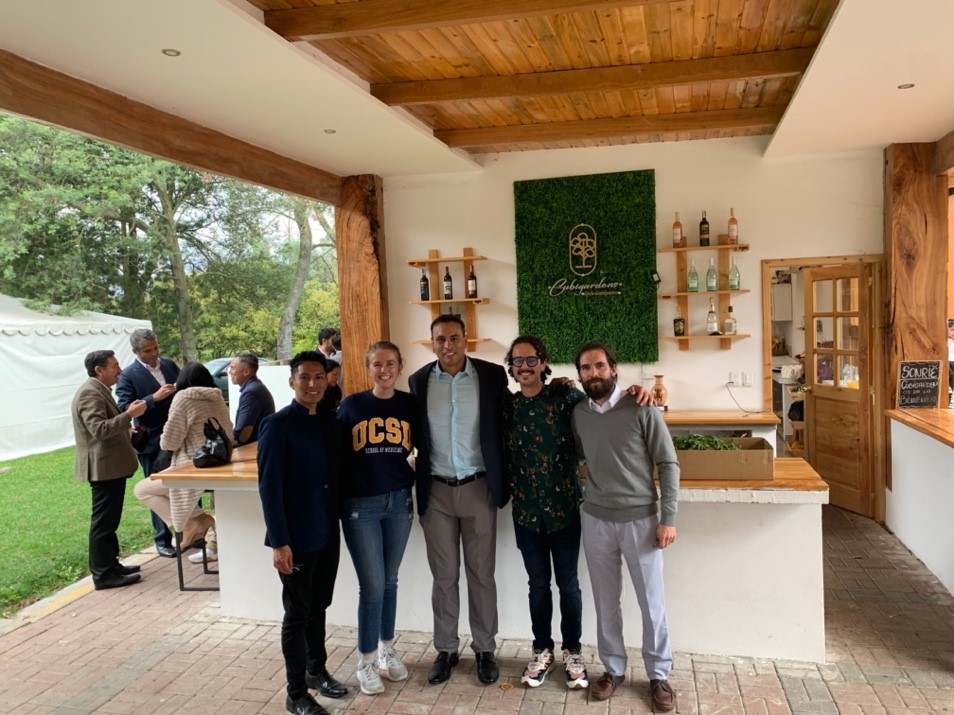
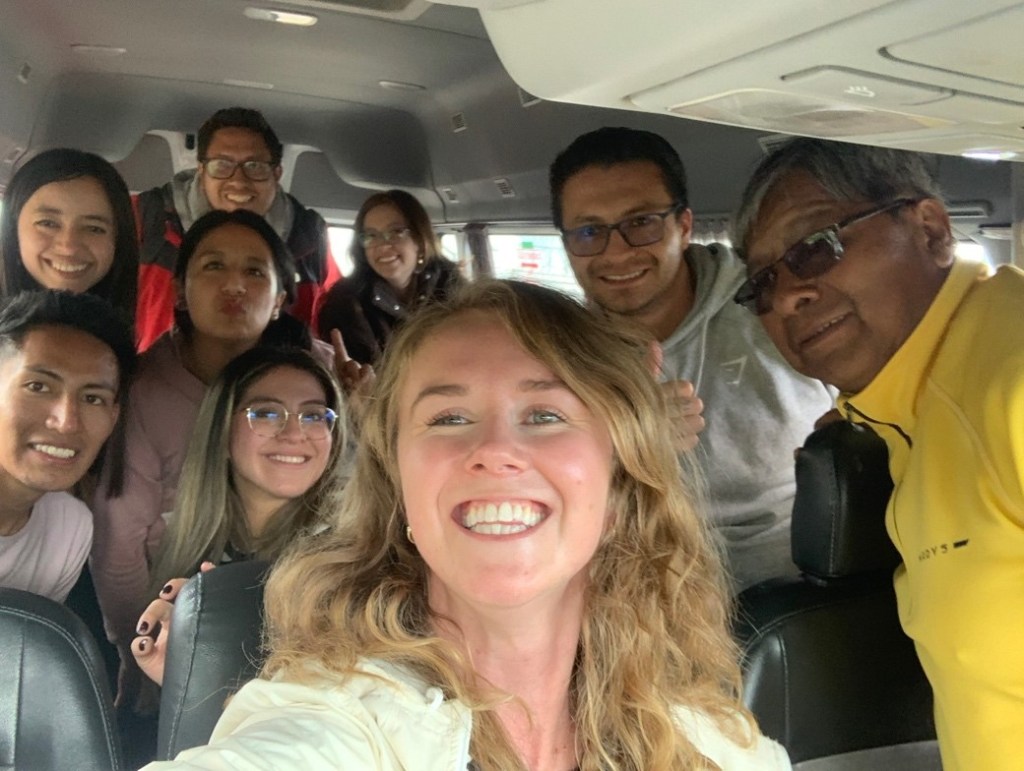
One of the most valuable lessons I learned from this experience is just how complicated running a large-scale longitudinal study is. By working with the CIMAS team to organize supplies, label hundreds, if not thousands of tubes, and to send out reminders to community members, I saw firsthand the detail and teamwork a project like this takes. I will also forever be appreciative to the CIMAS team, including Danilo, Raúl, Marjorie, and Camila, for being great examples of how to work as team through long, and sometimes stressful days. The team always made time to check in on one another, share a quick coffee in down time, and crack a joke to lighten the mood.
Upon coming back to San Diego, I will work on writing up the results of the data collected, and will work on analyzing older data on the effects of pesticide exposure on anthropometric measurements, like height and BMI. Hopefully, with more data published on the adverse health effects of pesticides, more regulation and oversight will be put in place to protect floriculture workers, and there will be more data supporting the switch to pesticide-free flower cultivation.
I want to end by thanking the CIMAS team again and by thanking the country of Ecuador for welcoming me and my GHAC partner Nour. It was an incredible experience, not only academically, but also personally, and I am sitting in Bogotá a better medical student, researcher, and person. Until next time Ecuador!