There were early signs that my summer in Salvador as a GHAC student would play out quite unexpectedly, but it didn’t really hit me until – 2 hours into a 10-hour flight from Houston to São Paulo – the flight attendants asked over the intercom if there was a doctor on board. Then again. Then another time. Then once more, during dinner service – when I, rather jokingly, let the attendant handing me my meal know that I was a medical student who could maybe help but only if, and I really stressed the “only”, there were no other healthcare workers on board. The process was quite simple after that. They handed me a medical kit and a phone connected to a doctor comfortably on-call back on Earth. After a quick physical and history from the passenger and his companion, I relayed my findings and followed the doctor’s instructions: give the patient some aspirin to chew, then INJECT(!?!?) a vial of medication into his thigh if he doesn’t improve. The passenger did fine for the rest of the flight and was greeted by paramedics when we landed. I was rewarded for my (arguably valiant) efforts with a new seat. You see, the passenger in question needed to lie down and my row was the only one with an empty middle seat (ignoring the fact that first class had many empty lay-flat seats…). My seatmate was given a comfortable emergency exit seat, while I was ceremoniously presented with a lavatory-adjacent backrow seat next to 5-year-old who shrieked bloody murder for the remaining 7 hours. Yeehaw!
My initial plan in Brazil was to help with research related to tuberculosis, which unfortunately remains a top global health concern. However, a week before my departure, I found out that the lab I was supposed to work in was shifting to a WFH schedule as they were in the process of moving locations. So there went my research project, and along with it, I privately feared, my spot in GHAC.
Little did I know, an incredible team in Brazil was working overtime to create a robust alternative plan just for me. Instead of staying on research side of global health, I got a chance to taste the clinical side. I am so grateful that these very busy and very important physician-scientists took the time to give me a comprehensive and fulfilling experience in Salvador. It’s a true testament to the warm, welcoming culture of Bahia.
Some context: “Barril Dobrado” is a saying specific to the Brazilian state of Bahia. It directly translates to “double barrel” and loosely means something along the lines of “very cool, awesome, great, incredible, fantastic, etc”. You get the picture – and also, the title of this blog post.
It truly was a whirlwind of an adventure. The Brazil team set me up at 5 different sites to work at over the course my summer. I learned so much from every site, met so many incredible people, and developed a sincere appreciation for the Brazilian healthcare system. I could spend hours writing about each experience, but I’ll keep things short J.
I began each week at Santa Izabel Hospital, where I worked with the cardiology service and was embraced by my attending, the residents, and medical students. All would take the time to explain things to me, regardless of whether I was struggling because of the medical science or because of the Portuguese. I had the opportunity to examine patients with different presentations of Chagas cardiomyopathy, listen to the unique heart sounds caused by rheumatic heart disease, and even palpate a very visible mitral pulse. During rounds, the residents would introduce me to different patients, and ask if they’d allow me to learn from them. All agreed, but I’d still try to ask for myself. “Posso te examiner?….Obrigada.” (May I examine you? Thank you.) I also got to attend clinical case and article presentations run by faculty and residents. I learned how to read and interpret ECGs by being handed patient strips on rounds and quizzed on the spot. On my last day at Santa Izabel, I even took an exam with the final year medical students – and passed!
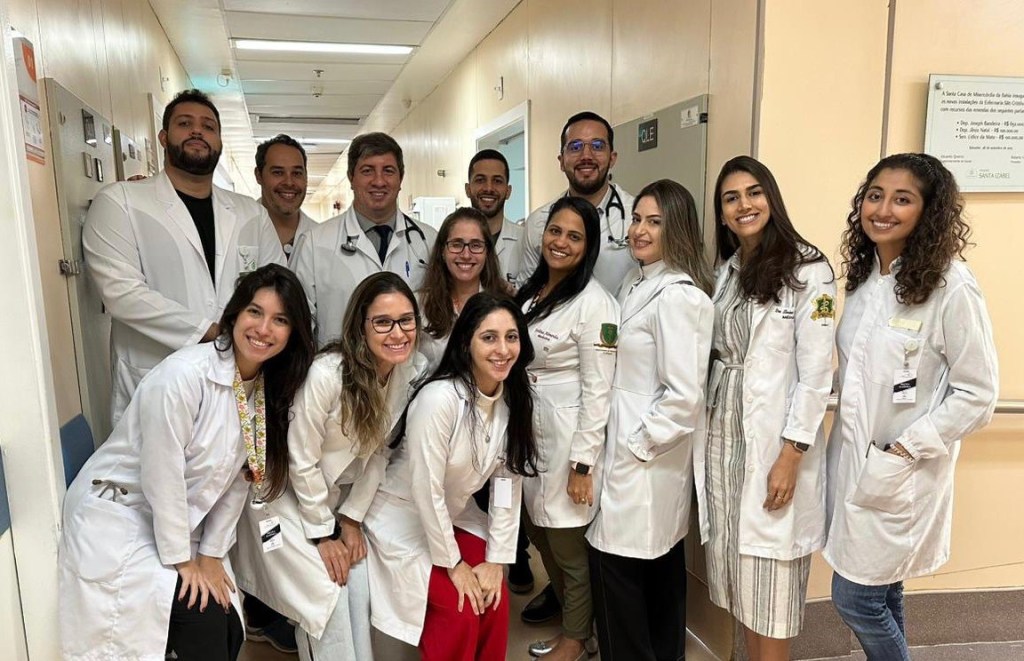

Later in the afternoons, I would head over to Multicentro de Saúde Amaralina – a smaller clinic primarily serving poorer patients. I had the honor of working with a formidable and wonderful pediatric cardiologist, Dr. Aline Vardana. She walked me through the pediatric cardiology exam and I learned that I could feel for abnormal heart sounds before even auscultating. In between patients – from toddlers to teens – she’d teach me how to take a proper pediatric history and all about common pediatric heart concerns,. She’d even break down concepts such as the mechanisms of congenital heart defects with 30 second drawings that were honestly on par with Dr. Brandl’s. (Fingers crossed that the only embryology I deal with on STEP is cardio related!)
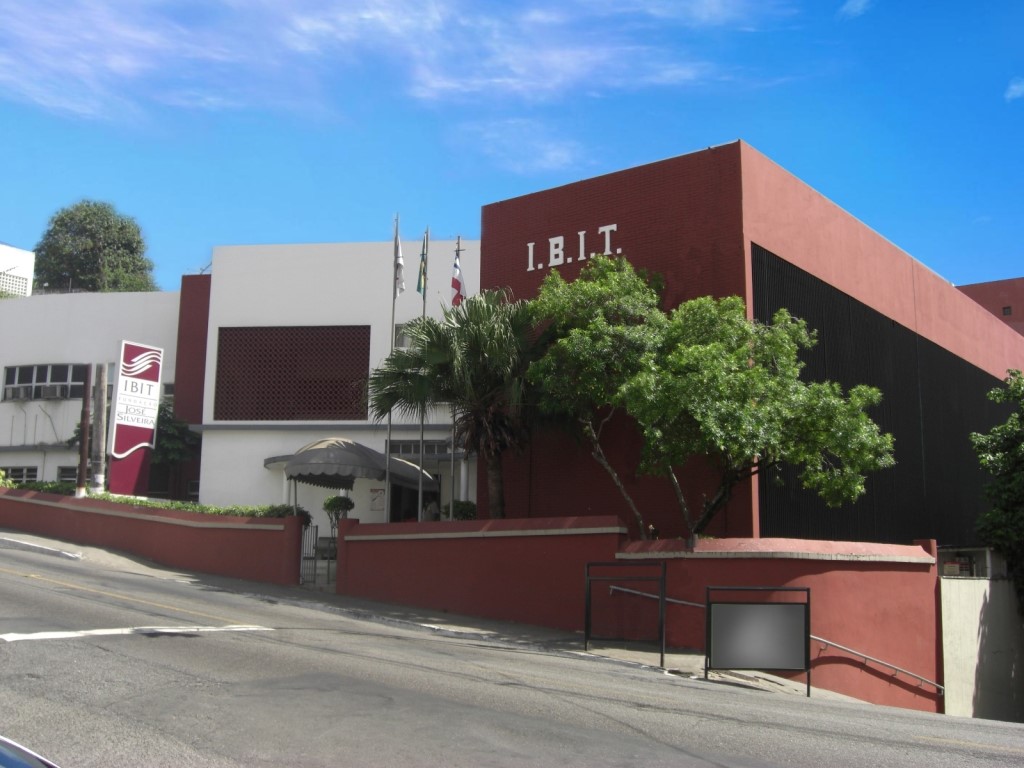
On other days, I’d visit the Brazilian Institute for Tuberculosis Research at Fundação José Silveira (IBIT). Here, I shadowed an attending who tended to patients with TB, patients on prophylactic TB treatment, and patients with suspected TB. I saw an entire spectrum of TB presentations: the frail, thin, gaunt dispositions of the newly diagnosed, a resolution of symptoms in those halfway through RIPE therapy and slowly gaining their weight back, and the happy, bright faces of those in complete remission. I saw patients with various manifestations of extrapulmonary TB – including ocular, bone, and meningitis TB. My attending would let me be the first to examine the patients, and I thank my POM facilitator for my ability to recognize when an abnormal finding and report back to my attending. Here, I was most in awe of my attending. The exam rooms didn’t have computers; he’d chart and write out orders and prescriptions by hand, use carbon copy paper to make duplicates, and use his nails to tease out staples to release rolled up x-rays and test results brought in by patients. Even with all this extra work, he still took the time to make his patient feel like the most important person in the world. I hope some of that doctor magic sprinkled itself on me.
In my final weeks in Salvador, I started working with the infectious disease service at Instituto Couto Maia, the reference ID hospital in the state. There, I saw patients with Tuberculosis complicated by co-morbidities, tuberculoid and lepromatous leprosy, Kaposi sarcoma, toxoplasmosis, Dengue fever, and other to-be-determined ailments. I’ve heard many people say that ID specialists are the smartest physicians in the hospital and after witnessing the genius of the doctors at ICOM – it would be foolish for me to disagree. I’d estimate that all of sketchy micro covers at most 1% of the ID knowledge residing in their brains.

Even though my summer ended up being rather clinical, I still had the opportunity to help with some research while also developing my own ideas. I spent a lot of time working with the MONSTER team (Multinational Organization Network Sponsoring Translational and Epidemiological Research), which consists of MDs, Ph.Ds., fellows, med students, and even high-schoolers and is headed by the renowned physician-scientist Dr. Bruno Andrade. From day 1, I was blown away by how collaborative and supportive this group was. I was invited to join in on a couple of research projects related to tuberculosis while also workshopping my own GHAC project.
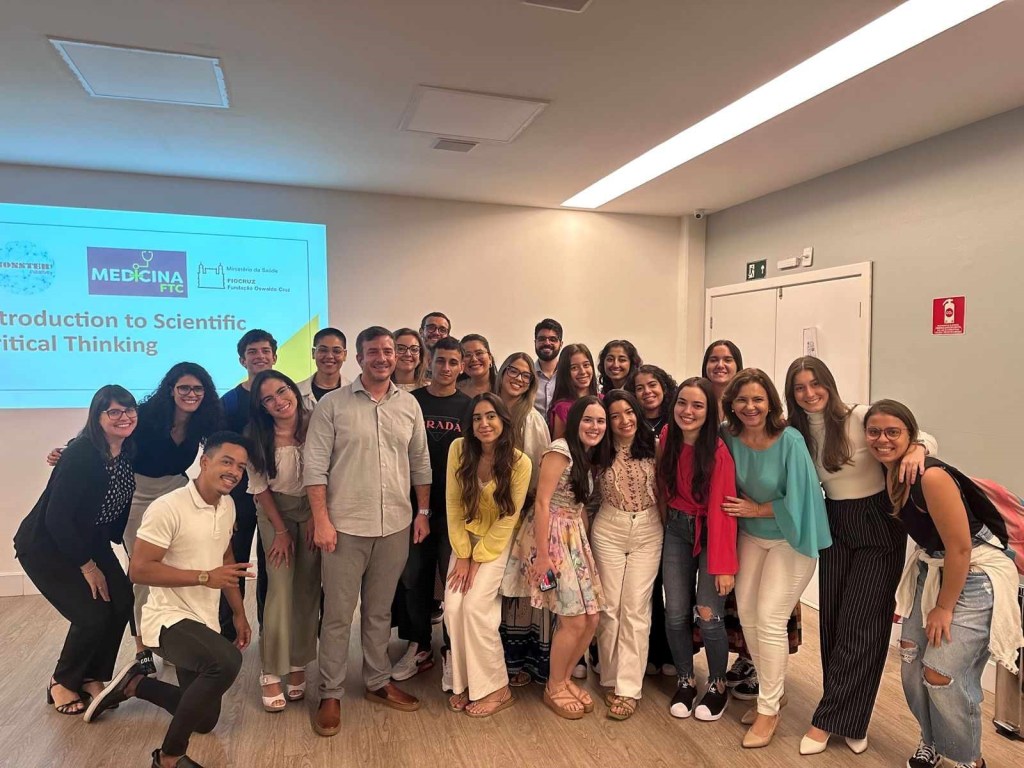
I am so appreciative of my time in Brazil. It was an eye-opening experience that reaffirmed my love not only for global health, but also for medicine. I think this was the first time I felt like a real medical student on her way to becoming a real physician. It got me excited for third year. I also believe that interacting with patients in Brazil, particularly those with TB, allowed me to ultimately pursue a research project that feels a lot more meaningful. I’m excited to keep working with ReporTBrazil and extraordinarily grateful to all those who made my time in Brazil incredible.
