This summer, I had the privilege of working on a qualitative study of abortion conducted by the Center for Research on Environment, Health, and Population Activities (CREHPA). This project is part of the larger global abortion study known as the “Turnaway Study,” led by Dr. Diane Greene Foster from the University of California, San Francisco (UCSF). In collaboration with UCSF, CREHPA is conducting the Turnaway Study in Nepal. It was a tremendous honor to contribute to this project and collaborate with CREHPA.
CREHPA has been at the forefront of abortion research for nearly three decades, and its work played a pivotal role in the legalization of abortion in Nepal in 2002. I had the privilege of hearing from Dr. Anand Tamang and Dr. Mahesh Puri about the organization’s origins and its journey of progress. The dedication of everyone at CREHPA to improving the lives of Nepali women through their work in health, education, and more was truly inspiring. I felt deeply moved to be part of the team for a couple of months.
My role in the qualitative aspect of the Turnaway Study involved reviewing interviews collected by CREHPA from women all across Nepal who were seeking abortion. These interviews encompassed demographic information, experiences related to the index pregnancy, attempts at abortion, and the repercussions of either receiving or being denied an abortion. The initial phase of reviewing and identifying major themes in the interviews proved to be a challenging yet enriching experience, as I had no prior experience in creating qualitative codes. Thankfully, I received valuable guidance from Dr. Mahesh Puri and research officers Sunita Karki and Anupama Pun.
Following several meetings, we defined the focus for my paper. We decided to develop a codebook centered on the decision-making process concerning abortion, the factors influencing this decision, and the consequences of receiving or being denied an abortion. Once the codebook was established, I input the codes into Atlas Ti and started the coding process for all the interviews. Upon completing the coding phase, I analyzed the coded data and began crafting the paper. I am currently in the process of writing the paper and hope to share it soon.
During my time with CREHPA, I also had the opportunity to observe an interview in person. This experience deepened my appreciation for the invaluable contributions of the study participants. Furthermore, it filled me with genuine happiness to witness such meticulous and high-quality research and data collection taking place in Nepal. The interview was conducted systematically and comprehensively. Obtaining high-quality research in developing countries like Nepal, with limited resources and funding, can be challenging. However, CREHPA has never compromised on the quality of its research, even while producing a substantial volume of work. This made me exceptionally proud and honored to be part of the team this summer.
Above all, I had the privilege of meeting remarkable individuals while working on this project. The team members warmly welcomed me, and made me feel comfortable right from the start. I had a much more enjoyable experience than I expected. I hope to maintain the relationships I formed this summer and look forward to the possibility of working with them again in the future.
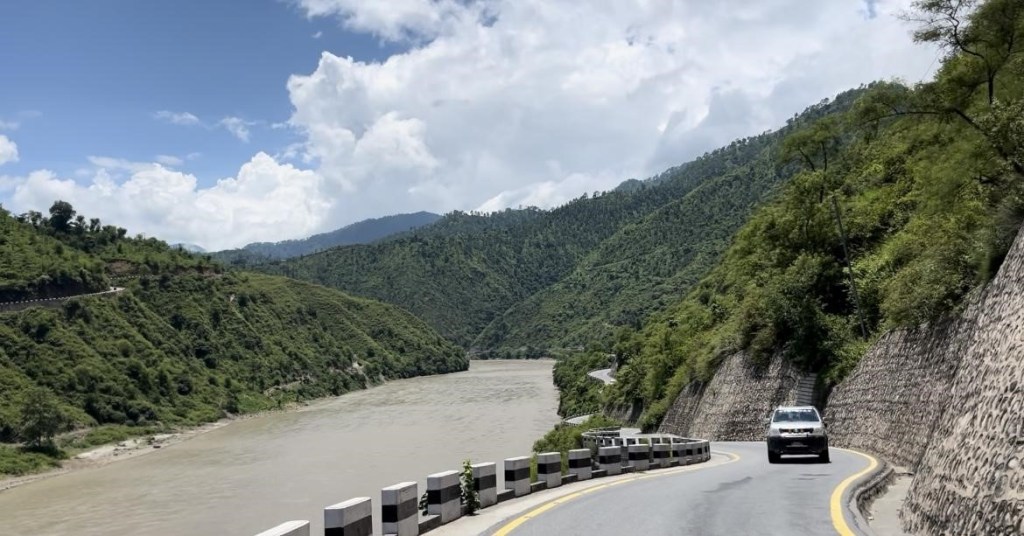
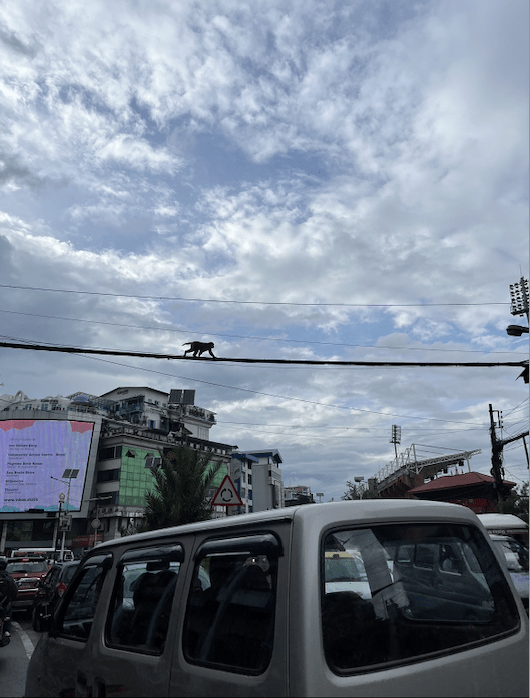
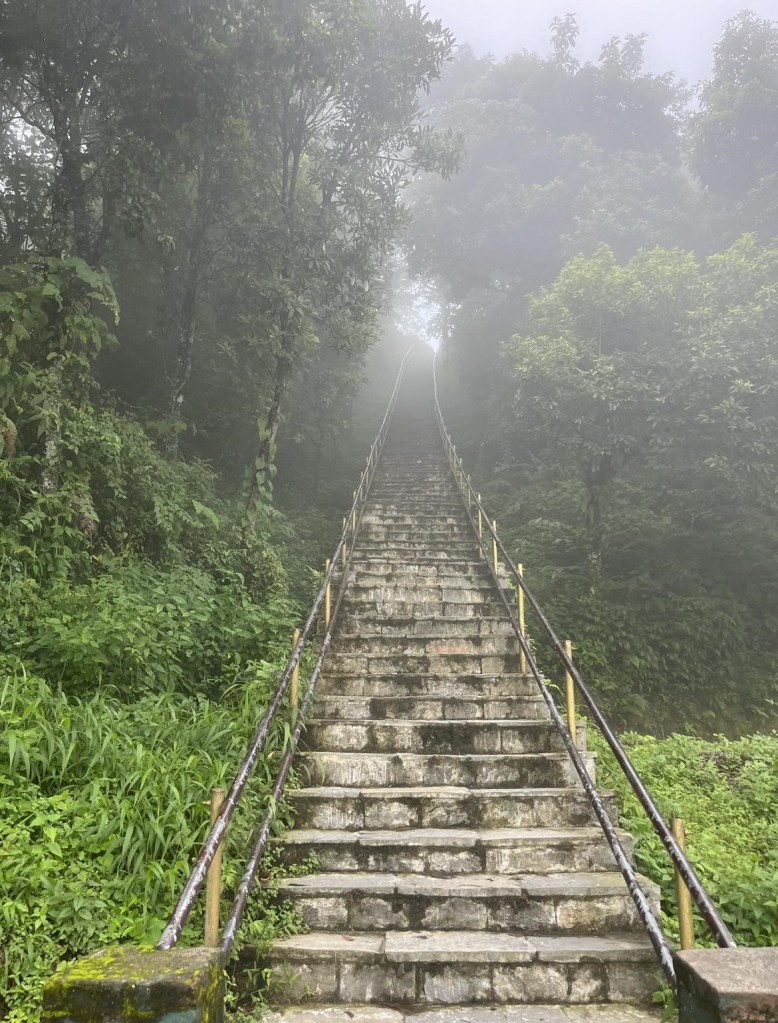
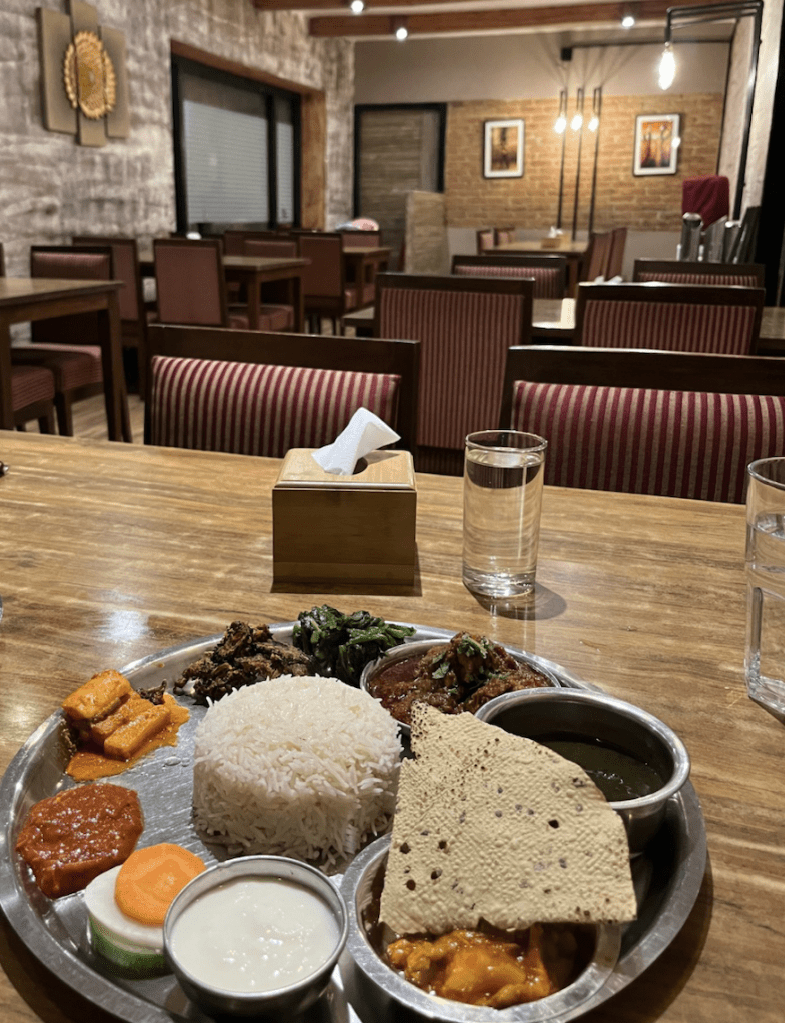
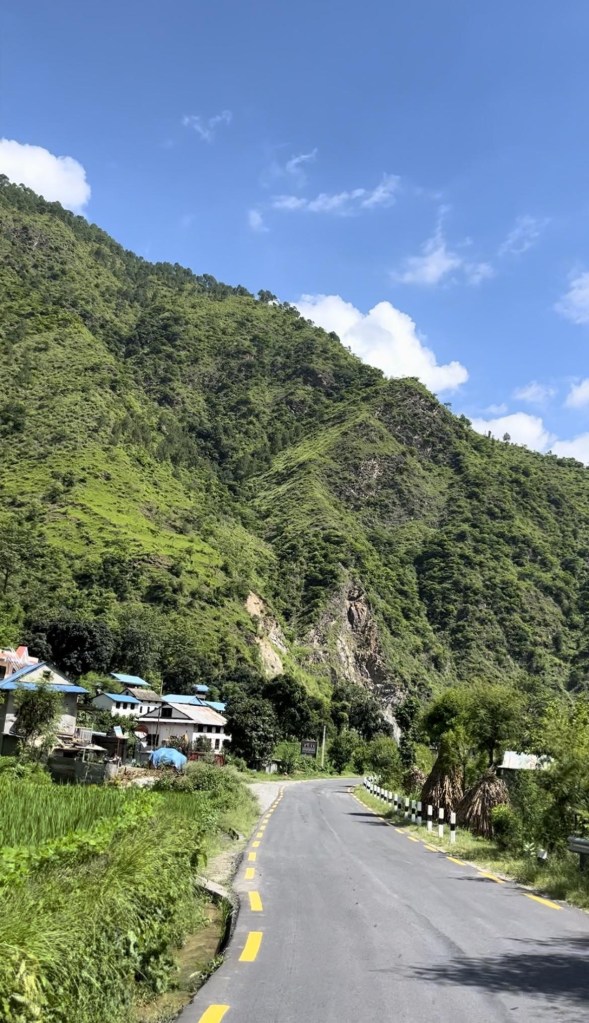
Beyond my research commitments, I was also able to go on some personal trips during the summer. I’ve included some photos from these trips below, and I hope you enjoy them.