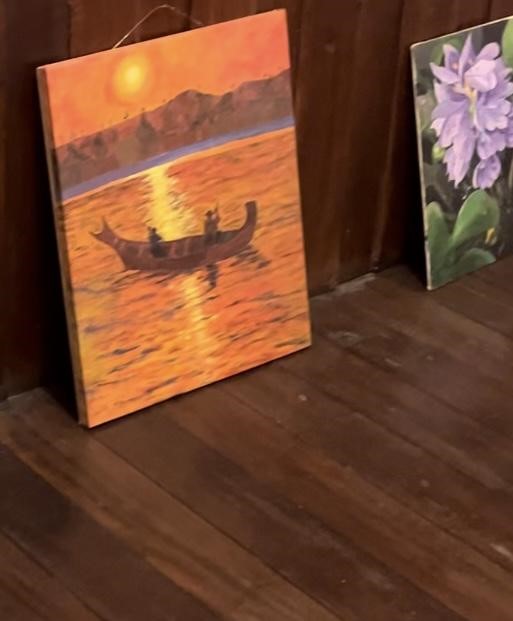
My week in Mae Sot was short-lived and well-filled. Mae Sot is a resilient transient-dense town on the Thai side of the Thailand-Myanmar borderline. It was my first time seeing an open border, identical houses on either side of a shallow river that I would have mistaken as different neighborhoods of the same town–if not for my clinical liaison telling me that you could hear gunshots from the other side at night, a consequence of an unstable town overtaken by the Chinese mafia. I journeyed the 8 hours from Chiang Mai to the border city by bus, weaving through national forests and brokenly translating my dietary restrictions to the small businesses we stopped at for meals. I couldn’t tell if my nerves were from apprehension or eagerness, but I felt them all the same, as I lay awake that first night imagining what the next few days might bring.
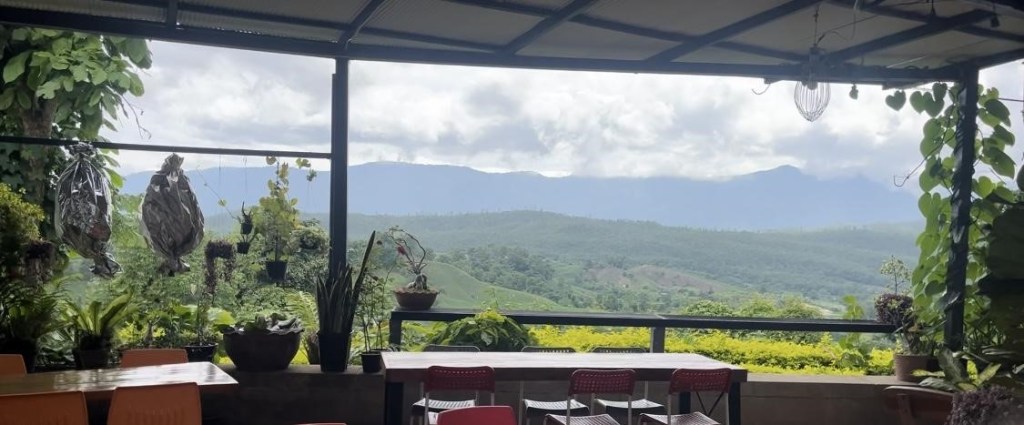
Day 1:
My first morning in Mae Sot I met my clinical liaison for the trip, a Dutch doctor working towards his PhD. Alongside other non-local staff, we rode on the back of a truck the 40-minutes distance to the Wang Pha clinic–one of three Shoklo Malaria Research Unit branches. While the clinic had the charm of Thai architecture’s half-indoor half-outdoor layout, it simultaneously lacked the coziness of its counterparts–cascading vines replaced by hanging clocks and decorated walls made of metal instead of bamboo or wood. Before I noted any resource limitations, I was met by the absolute warmth of the healthcare staff–mostly Burmese or Karen in ethnicity, meaning our communication would be very limited. Still, I felt welcomed and cared for, as they recognized me as a researcher dedicated to improving operations for the wellbeing of their patients and inevitably their own workflows. One of the things I’ve loved most about my career in healthcare so far is the borderless humanity of those drawn to the profession, which seemed bursting at the seams here and now.
My morning was filled with a tour of the facility, where I was slightly taken aback by the bareness of the delivery room. The stockroom consisted of a single storage box labeled for item kits for different procedures. One for eclampsia, one for breech delivery, and so forth. It reminded me of my days working as an emergency medical technician, a field guided by bare necessities. My clinical liaison proudly boasted the addition of a second delivery table, which helped shift my mindset into place. This was a sparse healthcare clinic, yet a lifeline for migrants who were without insurance coverage. Medics, nurses, midwives, and lab techs were mostly trained by the SMRU program–or in rarer circumstances practicing on their accreditations from Myanmar, where health infrastructure is vastly different. The team here has limited capacity to treat patients, managing the most common short-term complaints like antenatal and delivery care, malaria, B12 deficiencies from betelnut use. But then, what about the patients who come in with chronic health issues or urgent issues that may need exhaustive resources? If it is within the foundation’s budget to cover medical costs (say, for an ectopic pregnancy or breech delivery), patients would be referred to the nearest fully-functioning hospital. However, if chronic or costly (think cancer, infertility), the provider-patient relationship would meet a dead end of sorts. Advise patient to seek further care without referral, in simpler terms translated to advise migrant to acquire health insurance (time-intensive) or pay out of pocket (unbelievably costly for their standard wages). This sat uneasy with me, but so do most healthcare realities that do not fit into my idyllic hope for universal medical care.
I journaled about this for a bit until it was time to meet my first focus group, a collection of medics and midwives who had direct contact with the patient forms we were hoping to improve. We spoke for 90 minutes, often in gestures or demonstrations or facial expressions, followed by uproarious chatter in Karen and Burmese translated to me in broken English summaries.
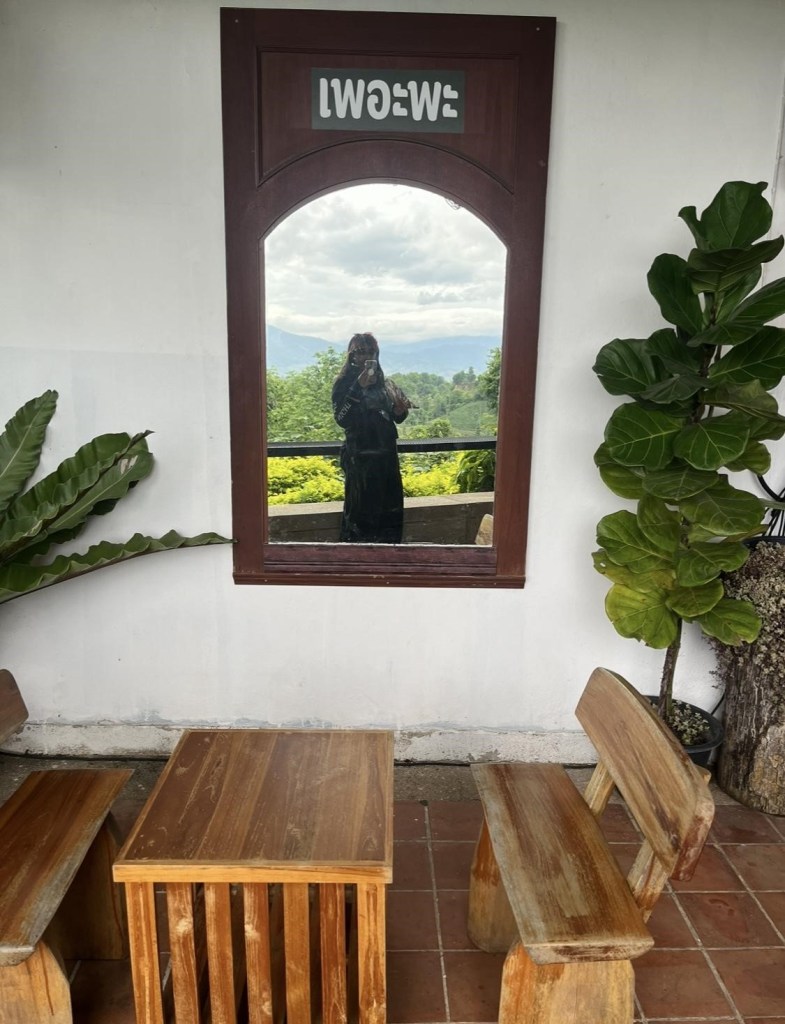
Day 2:
The next day I was met with much more of the same, except at the Maw Ker Thai clinic. We drove somewhat over an hour south to a robust village, at the heart of which was the clinic. Maw Ker Thai was larger and more updated compared to Wong Pha. An entire building of around 40 patient rooms was being rapidly built; although it looked brand new to my liaison, it looked near completion to me. There appeared to be multiple delivery rooms and even an operating room (which was truly only used for tubal ligation, and not often).
During lunch, I spoke at length with a Burmese doctor about his training. In Myanmar, doctors are trained through a 6 year program (much like most of the world) to become general practitioners, after which they serve a mandated two years in rural areas far from their families and communities. For those who desire a specialty, a rigorous government application lies ahead, consisting of a written exam entirely unrelated to medicine (peculiar questions about politicians, like ‘what is the first language spoken by the minister of health in x region’) and a similar interview. Specialty employment would remain in governmental facilities, making me question the already sparse access to care most rural communities have.
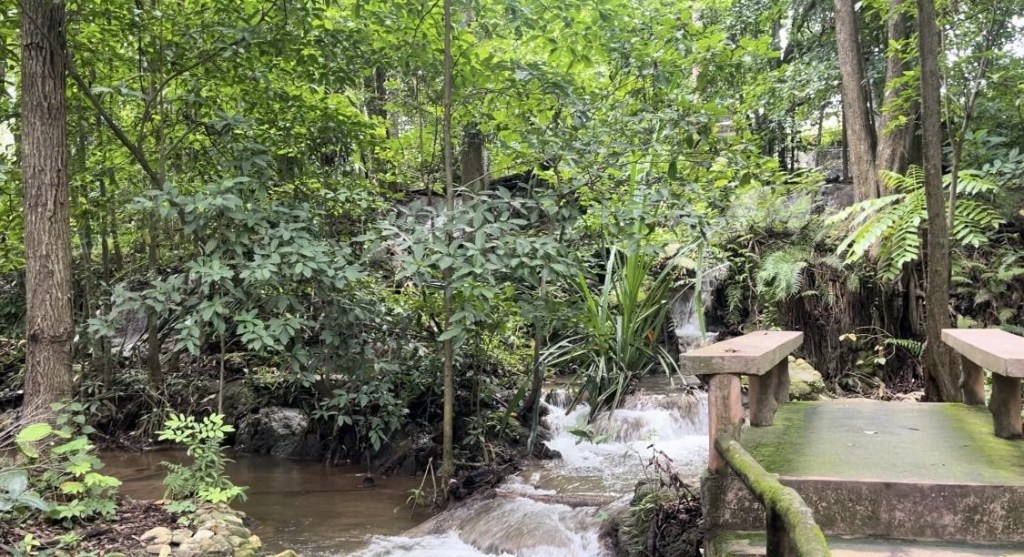
After another focus group we returned to Mae Sot, stopping at a waterfall along the way. It was my first time seeing a waterfall in Thailand, despite the country being rich with them. A nearby coffee shop hosted views I still cannot make sense of, for their beauty and intricacies.
Day 3:
My first day at the SMRU headquarters reminded me of why I am not cut out for office work. After exploring the grounds, learning the layout enough that I wouldn’t get lost on my way back and forth from the archives, I sat in front of my screen for 6 hours transcribing data from paper to excel sheet. Every time I checked the clock, it seemed that time was slipping away from me, and I was about 100 samples behind schedule by the end of that Thursday. I realized I had gotten lost in the charts, investing myself into the neonates’ care so much so that I read through each chart to try to discover the outcome. Was this severely jaundiced baby now an alive and well 1 year old?

Day 4:
My last day working in Mae Sot, I was spurred on by the urgency of my departing bus the following morning. If I did not finish collecting my samples, I might need to delay my return to Chiang Mai until after the weekend was over–which would not be the worst thing, but a slight headache to figure out lodging and rebooking tickets. So, in the 7 hours I spent at the desk, I did manage to increase my data collection speed (if at the cost of good posture and eye strain). There was still so much I wanted to learn about SMRU and Mae Sot, so I spent my evening walking through the town and scrolling through the organization’s website. I ended my trip with a visit to my new favorite fair-trade store nestled into a tea shop and stocked with Burmese crafts, once again eager and/or nervous to delve into data analysis the following week.