Bahiana Escola De Medicina
It was an honor to spend my final clinical rotation of medical school in Salvador, the vibrant coastal capital of Bahia, Brazil. Throughout the month, I worked in outpatient clinics affiliated with the Bahia Escola de Medicina, rotating through cardiology, gastroenterology, and rheumatology. Each day, I joined final-year medical students for patient visits and gained a deeper understanding of Brazil’s public healthcare system, SUS (Sistema Único de Saúde). For many patients, SUS is more than just a medical service—it’s a lifeline. And the commitment of the providers within the system was evident in every interaction.
What struck me most, though, was how medicine in Brazil often extends far beyond the clinic walls.
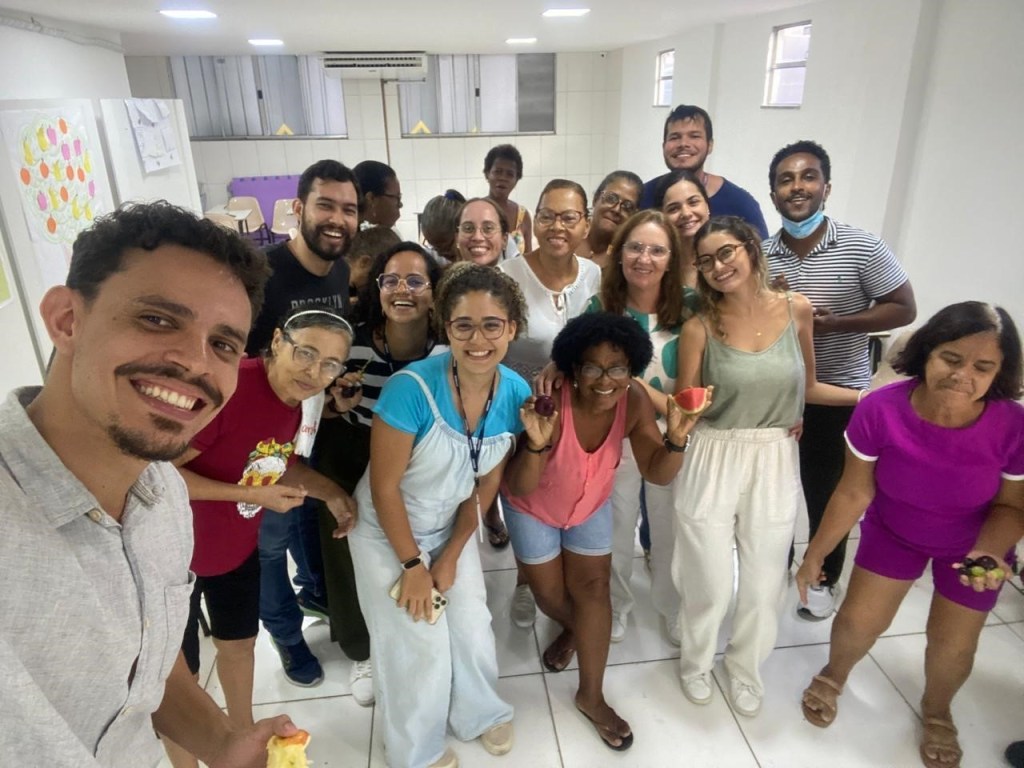
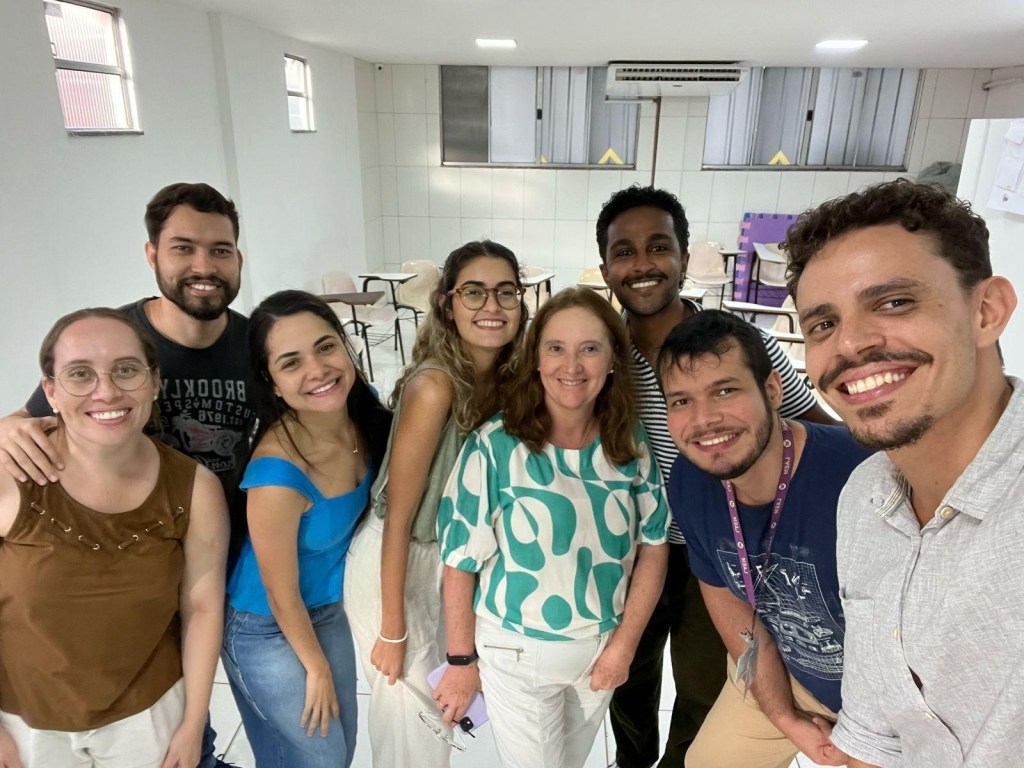
At the Complexo Comunitário Vida Plena, CCVP, I witnessed a powerful model of community-based care. This wasn’t just a team of physicians—it was a truly multidisciplinary group that included nurses, physiotherapists, and medical students, all working together to bring high-quality care directly into patients’ homes. Many of the patients we visited were either too ill to travel or couldn’t afford transportation to the clinic. The team’s ability to deliver compassionate, coordinated care in these home settings deeply expanded my understanding of patient-centered healthcare and the power of collaborative medicine.
Another highlight of the rotation was the clinic’s partnership with local community leaders and residents to promote health literacy. Every week, patients gathered for educational sessions on common diagnoses like diabetes, depression, and hypertension. These classes were led by the same diverse care team—medical students, physicians, physiotherapists, pharmacists, and nurses—who fostered an open, welcoming environment for learning and discussion. Patients eagerly participated, asking questions and sharing stories. Many shared that the sessions gave them a better grasp of their conditions and the tools to actively engage in their own care.
By the end of the month, I had gained far more than clinical experience. I had seen a healthcare system that, despite its challenges, prioritizes equity, prevention, and human connection. I left Brazil inspired by the people I met—patients, providers, and community members—and with a renewed sense of purpose for the kind of physician I hope to become.
Life in Salvador
My time in Salvador, Bahia was truly unforgettable—not just for what I learned in the hospital, but for the warm and welcoming culture I experienced outside of it.
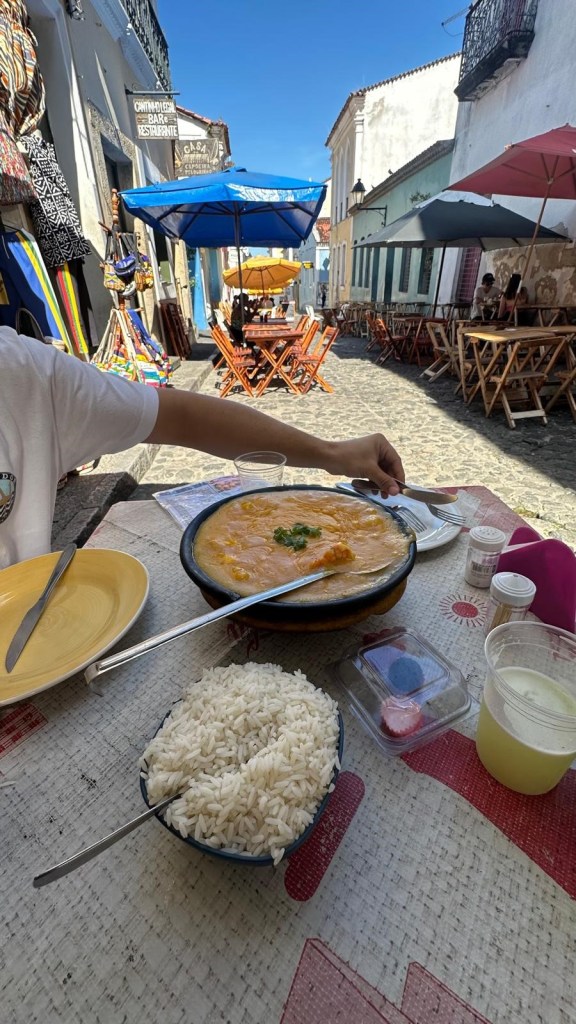
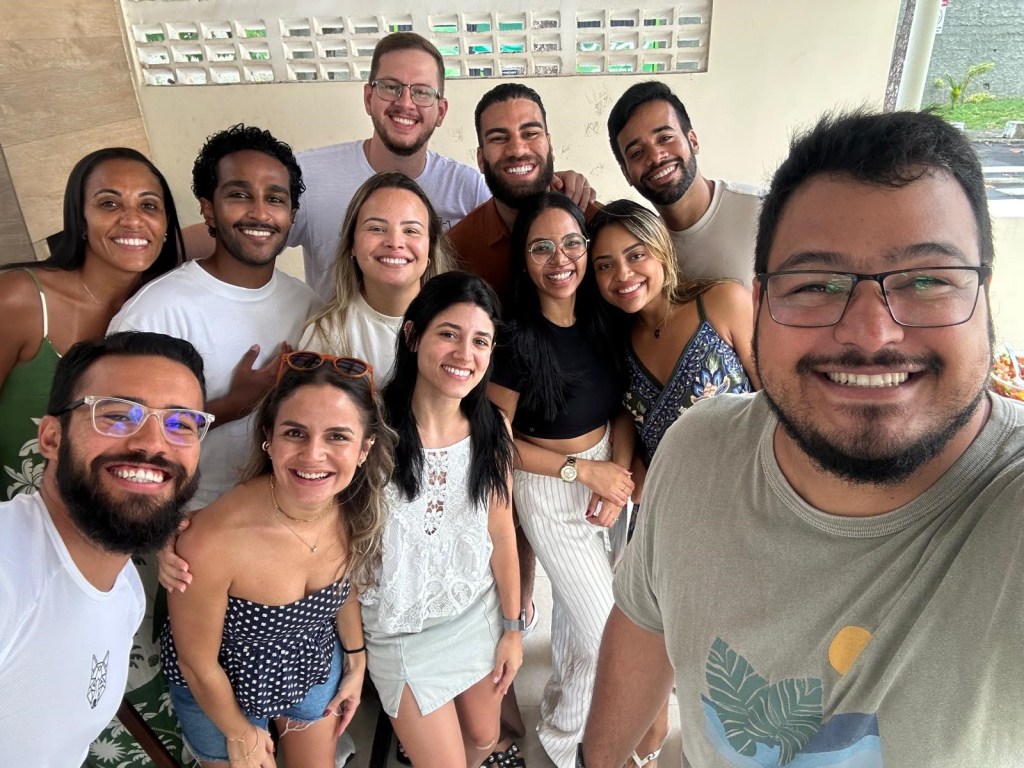
From the very beginning, my classmates made me feel at home. They invited me into their houses for feijoadas, the beloved black bean and meat stew traditionally served on weekends. Over shared meals, I got to enjoy Salvador’s bold, West African-influenced cuisine—moqueca, a fragrant shrimp stew simmered in coconut milk and plam oil; acarajé, crispy black-eyed pea fritters filled with shrimp; vatapá, a rich, peanut-based dish; and farofa, toasted cassava flour that accompanied nearly every plate.
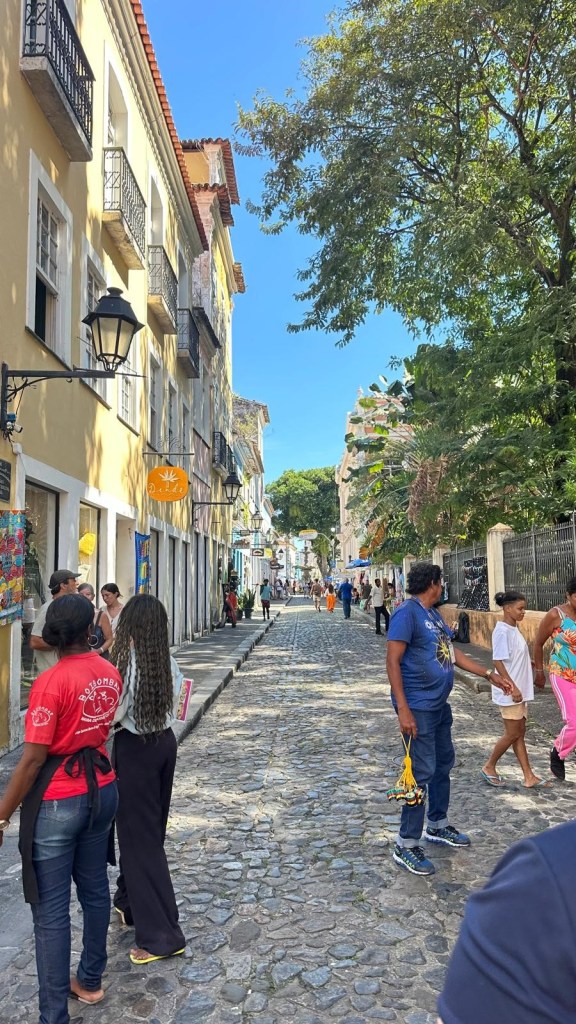
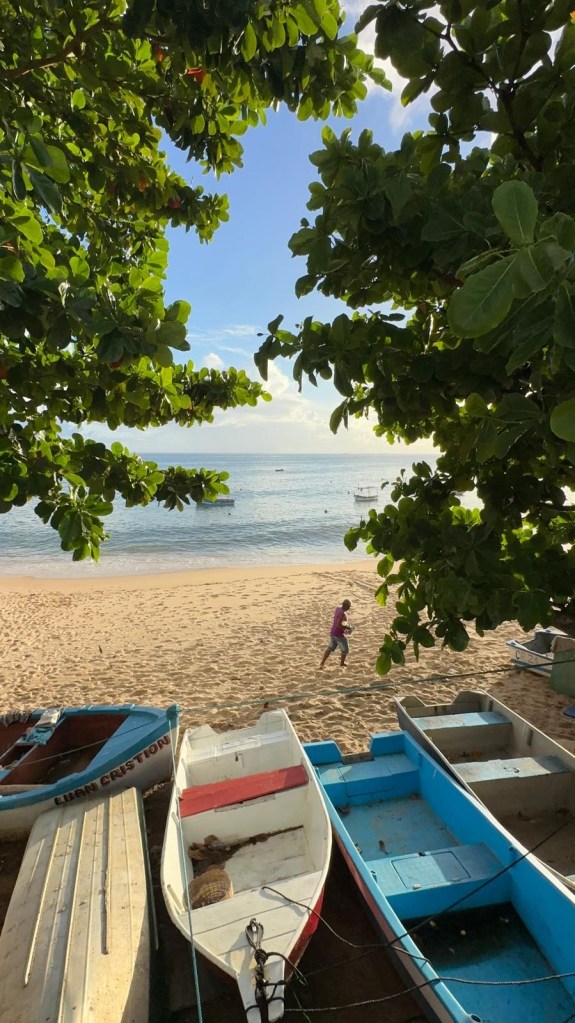
Outside of the clinic, there was always something to explore. I spent evenings walking along the beach and listening to live samba music echoing through the streets, where dancing often continued late into the night. On weekends, I wandered through Pelourinho, Salvador’s historic heart, with its colorful colonial buildings and the site of Brazil’s first medical school.

One of the most memorable parts of my time in Brazil was immersing myself in the local football culture. I played in pickup matches with classmates, joined spontaneous games of altinha with strangers on the beach, and attended Brasileirão and Libertadores matches at the iconic Fonte Nova stadium. The atmosphere inside was electric—full of nonstop chanting, drums, and energy. It was unlike anything I’d ever experienced in European or American stadiums; the passion of the fans was contagious and unforgettable.

Salvador offered me much more than a rotation. It gave me friendships, music, movement, and moments I’ll carry with me long after medical school.