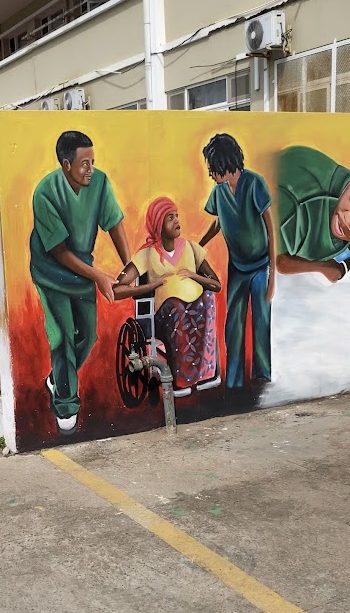
If someone had told me a few years ago that I’d finish medical school standing in an operating room in Mozambique—scrubbed in for a C-section or vaginal hysterectomy after just helping deliver twins and triaging a gynecologic emergency—I might have smiled and said, “That sounds like the dream.” And it absolutely was.
Returning to Hospital Central de Maputo (HCM) for my fourth-year global health rotation in obstetrics and gynecology was one of the most meaningful and transformative experiences of my medical education. My rotation was equal parts whirlwind, growth spurt, heart-stirring, and unforgettable. From dawn to dusk (and often beyond), I found myself deep in the rhythm of high-volume, high-intensity women’s healthcare in a setting that demanded creativity, adaptability, and unwavering compassion.
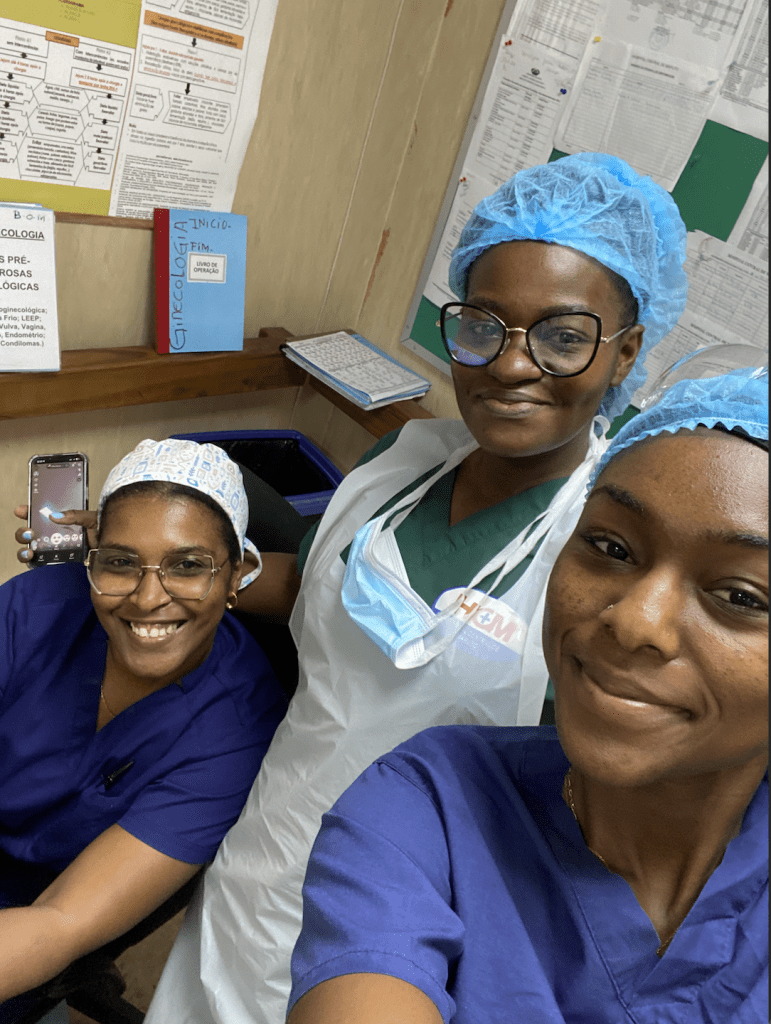

A Day in the Life: Maputo Edition
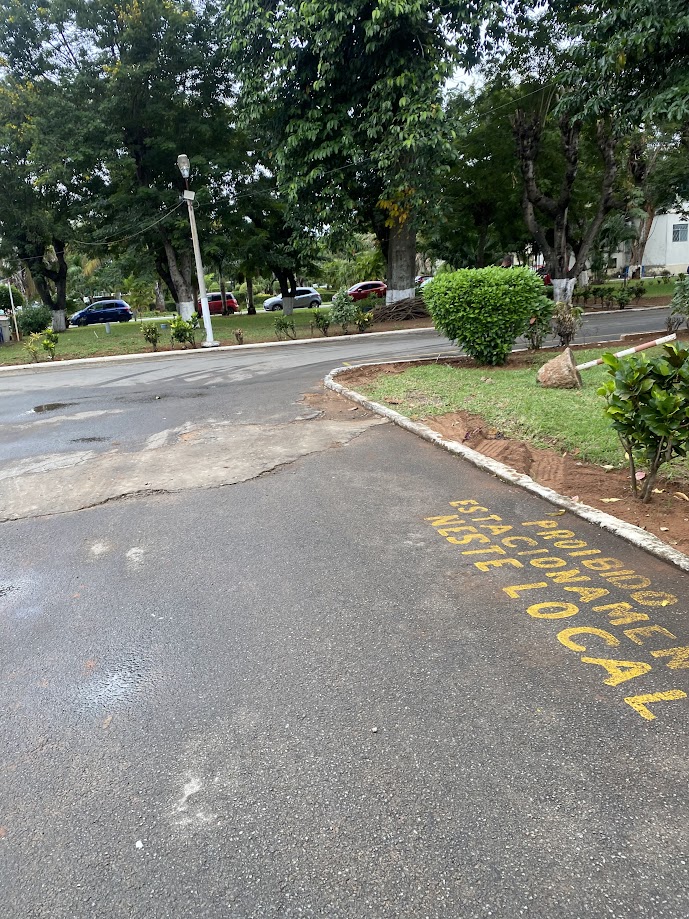
Most mornings began at 6:00 a.m. After getting ready for the day and a breakfast to fuel up, I set out for a 30-minute walk or 10-minute taxi ride from my apartment to the hospital. That morning walk became one of my favorite times of the day—a time to mentally prepare for the unpredictable day ahead, watch the city come alive, and greet familiar faces along the way.
By 7:30 a.m., I arrived at HCM and began prepping for the day. My fanny pack and scrub pockets were loaded with clinical essentials: sterile gloves, exam gloves, a headlamp, gel, tape measure, Pinard horn, penlight, pen, and whatever else I could squeeze in. Think: mini mobile clinic on my waist.
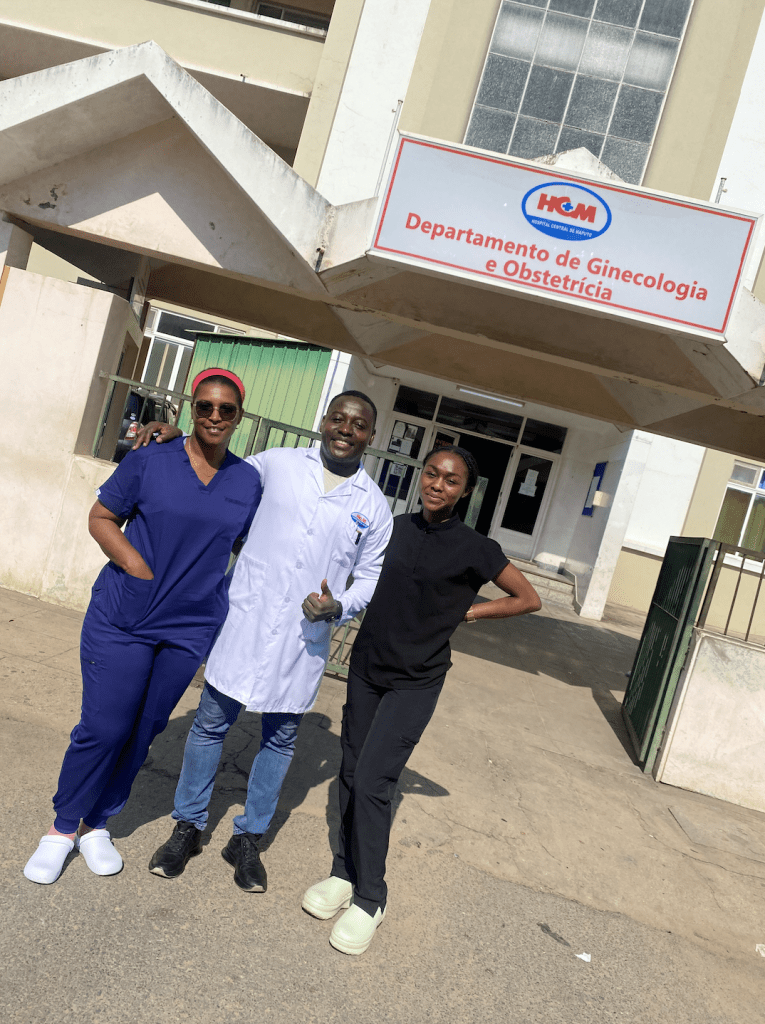
Sign-out and bedside rounds began promptly at 8:00 a.m., covering both labor and delivery and the gynecologic emergency department. Afterward, our team—attending physicians, residents, interns, nurses, and students—got to work charting, managing laboring patients, emergency cases, and daily admissions.
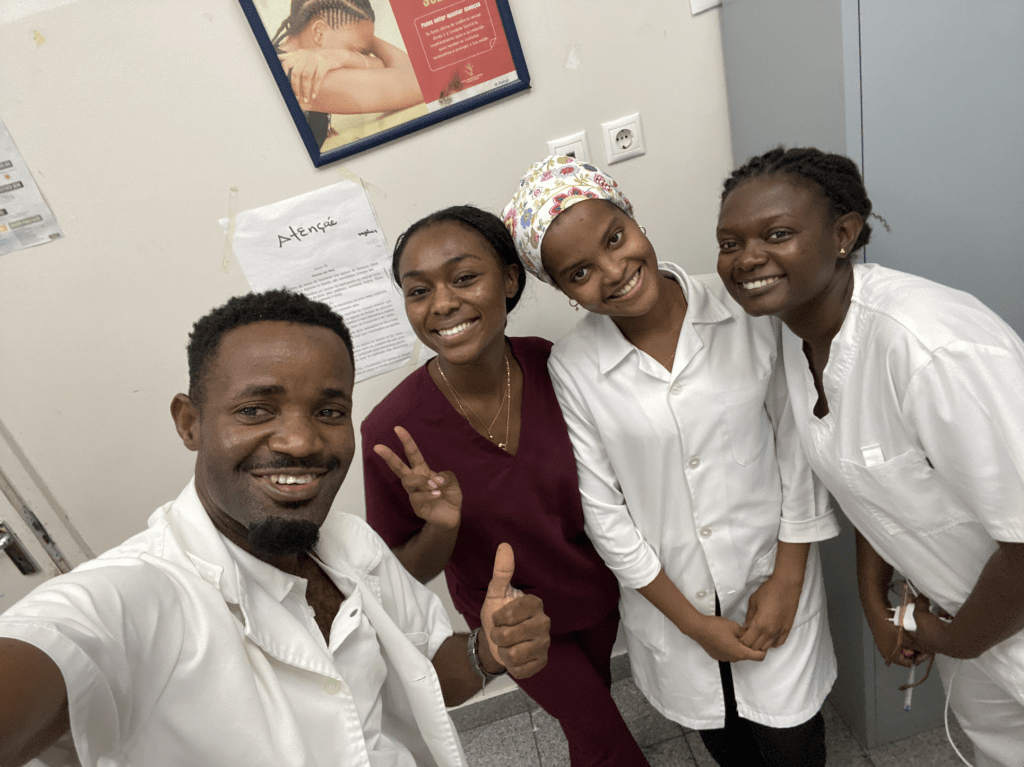
HCM is busy, high volume is an understatement. With roughly 10,000 deliveries a year, there was never a dull moment. Each day brought a mix of vaginal deliveries, cesarean sections, precipitous labors, complicated pregnancies, and everything in between. Some days I delivered babies back-to-back; other days I scrubbed into four consecutive C-sections. I loved every minute of it. No two days were the same, and there was no such thing as a “quiet shift.”
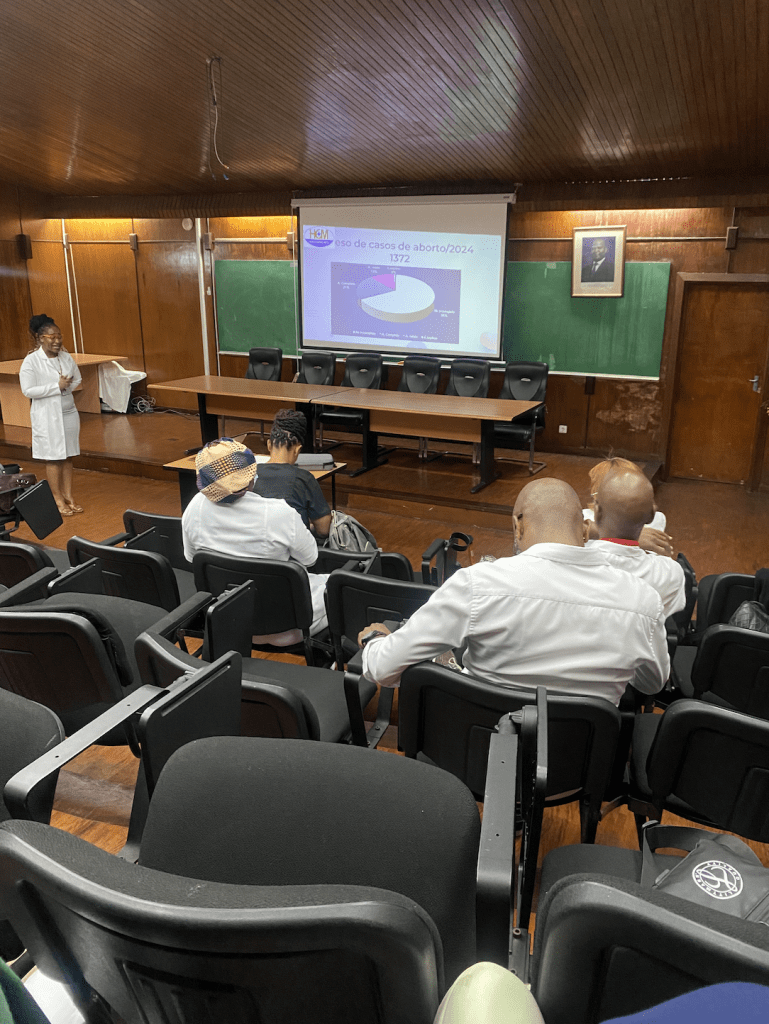
One of the many highlights of this rotation was resident teaching on Wednesday afternoons. These sessions covered everything from knot tying and suturing techniques to urogynecology lectures and case reviews. It was a privilege to learn side by side with local trainees and faculty who were passionate about teaching and incredibly skilled in their craft.

Afternoons and evenings were often the busiest part of the day—especially with spontaneous emergencies or backlogs of surgeries. I typically wrapped up around 6:30 p.m., but on some days, I stayed well into the night for an 8:00 p.m. sign-out and final bedside rounds. My body was tired, but my heart was full.

Some Takeaways
This rotation was about so much more than clinical partnership and exposure. It was about being present at the most powerful and vulnerable moments in people’s lives. It was about exploring the nuances of communication in medicine, relying on observation, kindness, and teamwork. It was about discovering culturally relevant ways to council patients and how to meet patients from all socio-cultural backgrounds where they are. It was about building bonds across cultures, sharing meals and stories after shifts, and learning from some of the most profound patients and dedicated healthcare providers I’ve ever met.

One of the greatest joys of this rotation was reuniting with old friends from my first visit and forming deep, lasting bonds with new colleagues. It was a privilege to work alongside such talented estagiárias, residents, and especialistas—and to share laughter, meals, and fellowship outside the hospital as well.

For me, global health is grounded in ethics, sustainability, and solidarity. Working in a resource-limited setting like HCM has shaped my clinical acumen, adaptability, and understanding of what it truly means to be a part of a healthcare team. I’ve come to see that global health is not defined by geography—it is a mindset, a commitment, and a promise to pursue equity in every corner of care.
Global health isn’t just about traveling far; it’s about thinking deeply, acting ethically, and building bridges with humility and respect. I’ll carry the lessons from Maputo with me forever—inside and outside the hospital.
Até logo, Maputo. Thank you for the joy, the challenge, the growth—and most of all, the relationships.