Introduction
This summer, I spent sixty hours shadowing physicians and healthcare workers in Brasília. What stood out to me most was how Brazil’s unified health system (SUS) brings together public health, social work, and medical care to meet the needs of communities—often in ways that contrasted sharply with my experiences in the United States. The core difference is simple but profound: SUS is free and accessible to all, no matter one’s background. Even as a visitor, I received high-quality, free healthcare.
CAPS AD – Meeting People Where They Are
At Centro de Atenção Psicossocial Álcool e Drogas (CAPS AD) in Ceilândia, I learned from Dr. Clara Nunes and her team at a community-based mental health clinic serving people with substance use disorders. Patients could walk in without cost, see psychiatrists, psychologists, and social workers, and even access temporary beds if needed. This model rejected the idea of hospitalization as the default and instead wove care directly into the community.
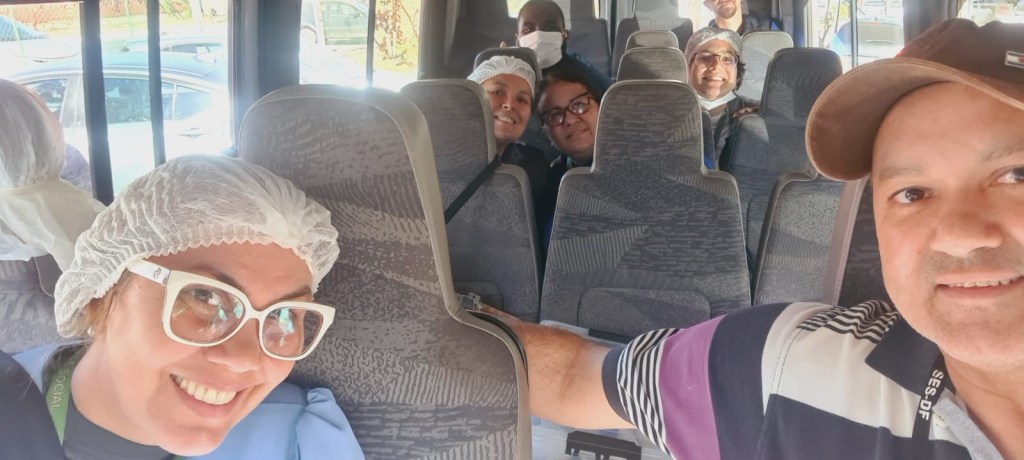
I was reminded of my time at Stanford when I helped build Community Care with SASA, a home for rehabilitation and belonging. Both efforts sought to meet people where they are, without judgment or unnecessary barriers. Brazil’s CAPS AD showed me just how possible it is to design a large-scale system of mental healthcare that does not criminalize or marginalize, but instead protects and uplifts.
Primary Care in Taguatinga – Listening to Claris
At Centro de Saúde No 5 in Taguatinga, I shadowed family medicine resident Gabriel and joined Dr. Samantha in Consultório na Rua—street outreach for unhoused individuals. Here, care included going to patients, not just the other way around.
One patient I met, Claris, had lived on the street for 15 years. He refused shelter because shelters don’t accept dogs—and his dog was his only source of unconditional love. He drank heavily, “ate” tobacco, and avoided hospitals. However, when I thought about the shelter dilemma, his choices made sense. If shelters welcomed pets, Claris might already be safer and healthier.
His story taught me that justice isn’t just about providing resources. It’s about creating systems that adapt to people’s real needs, guided by care, humility, and respect.

Reflection
From CAPS AD to street outreach, my time in Brasília revealed a society striving to integrate care into the fabric of daily life. The lesson is clear: language can break barriers, education can break cycles, but listening and adapting can change the world.
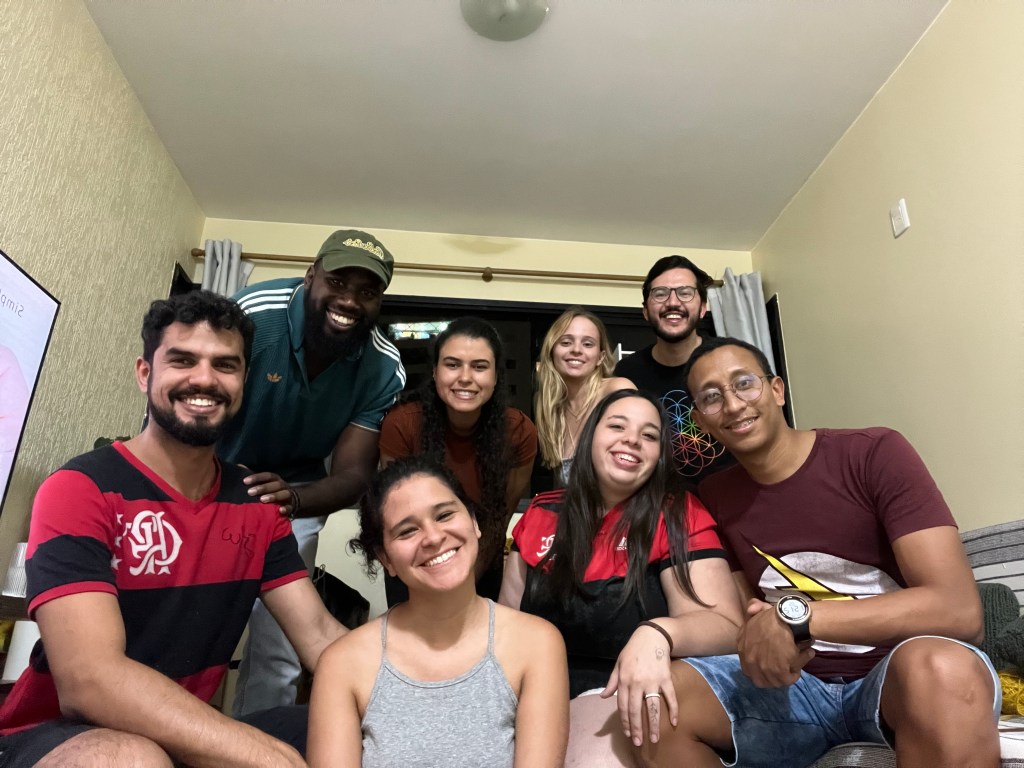
My time in Brasília was also filled with a lot of fun! I got to make a lot of new friends, who were so kind and welcoming. My favorite activity was definitely watching a match between Vasco da Gama and Botafogo at the Arena BRB Mané Garrincha. It was a beautiful stadium and a great match!