Migori is a lush, vibrant county in western Kenya, nestled near Lake Victoria and the Tanzanian border. I just finished my first year of medical school at UC San Diego and then began my summer global health journey through GHAC. My first stop was a weekend in Nairobi, the capital of Kenya where I stayed with my Kenyan PI and then onto a short flight to the airstrip in Migori County. I have been fortunate to spend the summer here with another medical student from UCSF. It’s been a privilege to work alongside her—we’ve shared everything from daily commutes to community visits, and it’s been wonderful to reflect together on this unique experience.

We’re here as part of the Mama Shamba project, a maternal and child health study. Shamba means “farm” in Kiswahili, and the project is launching an agricultural intervention that aims to empower women with agricultural skills and address maternal malnutrition during early pregnancy.
My specific focus has been on understanding how nutrition education is provided to pregnant people across the county. I’ve had the opportunity to interview community health promoters (CHPs), mentor mothers, nurses, and hospital administrators to learn how information is shared, what gaps exist, and what community members need most. With this input—and the invaluable guidance of Migori County Nutrition Officers—I’ve been helping to create user-friendly nutrition materials for CHPs and community members alike.
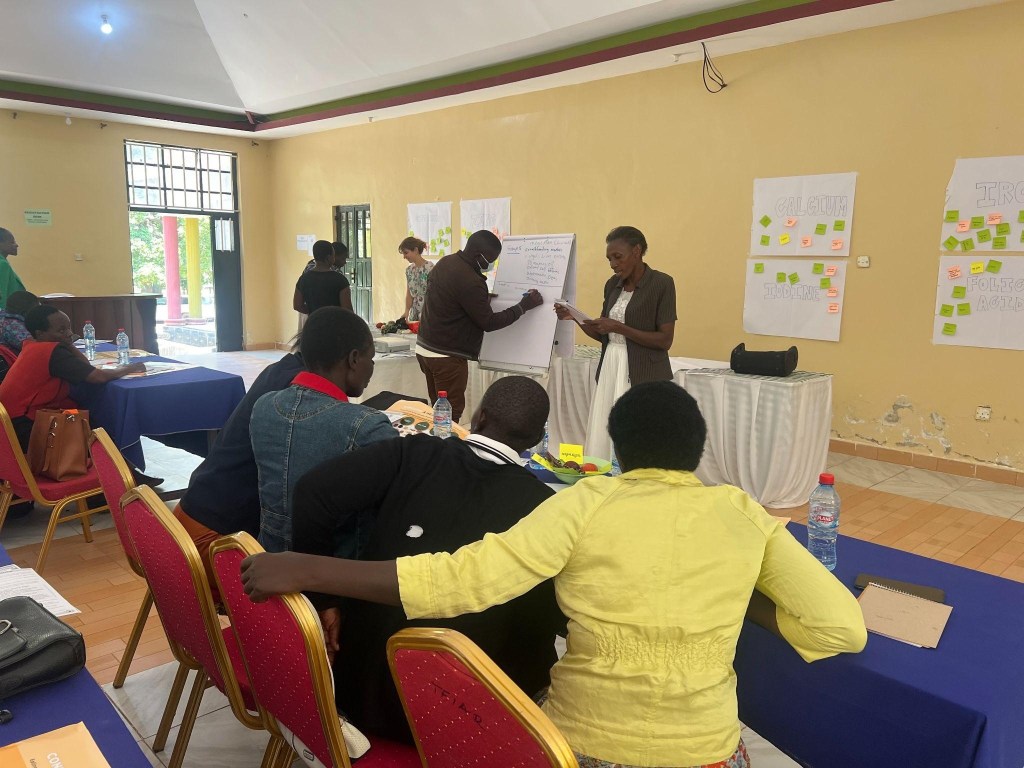
One of the highlights of my summer was organizing a training session for CHPs and mentor mothers who will be involved in the Mama Shamba study. We covered key nutrition principles in pregnancy, how to prepare balanced meals using local foods, and how to use vegetables grown from the shambas. It was interactive, lively, and deeply rewarding to see how eager the CHPs were to learn and share this knowledge with their communities.
When we’re not in the office or hospital, we’re often in the field. We’ve shadowed CHPs on their home visits, walking the steep hills and narrow footpaths they travel each day to check in on their communities. It’s been incredible to witness their dedication and stamina as they visit each household.
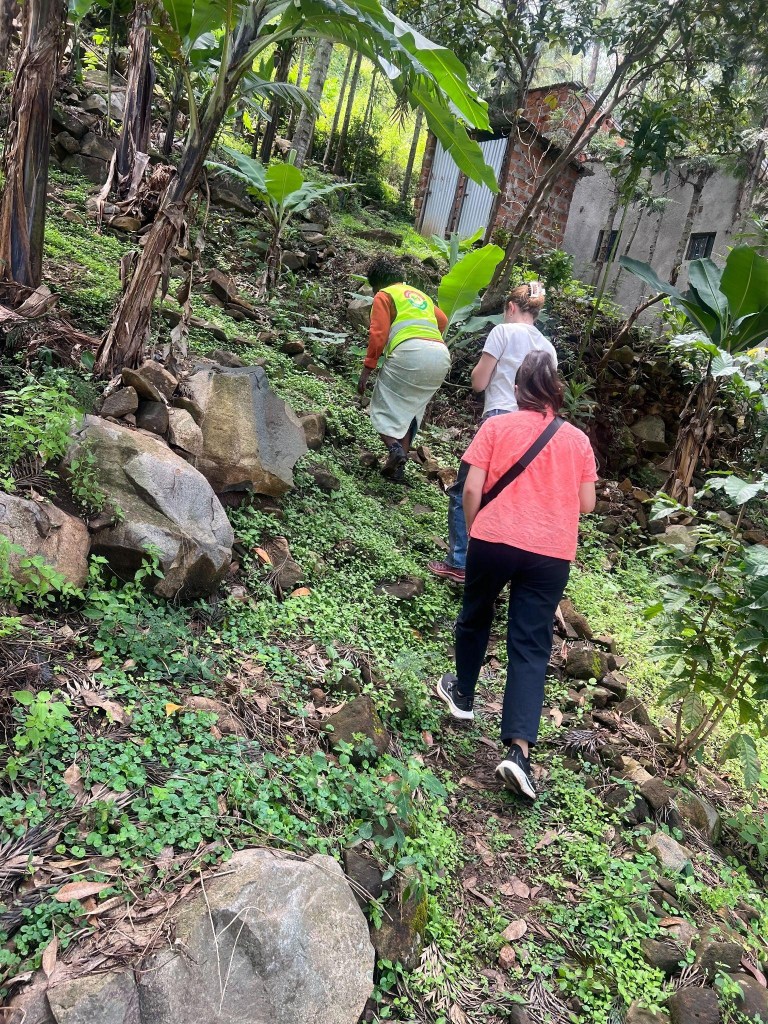
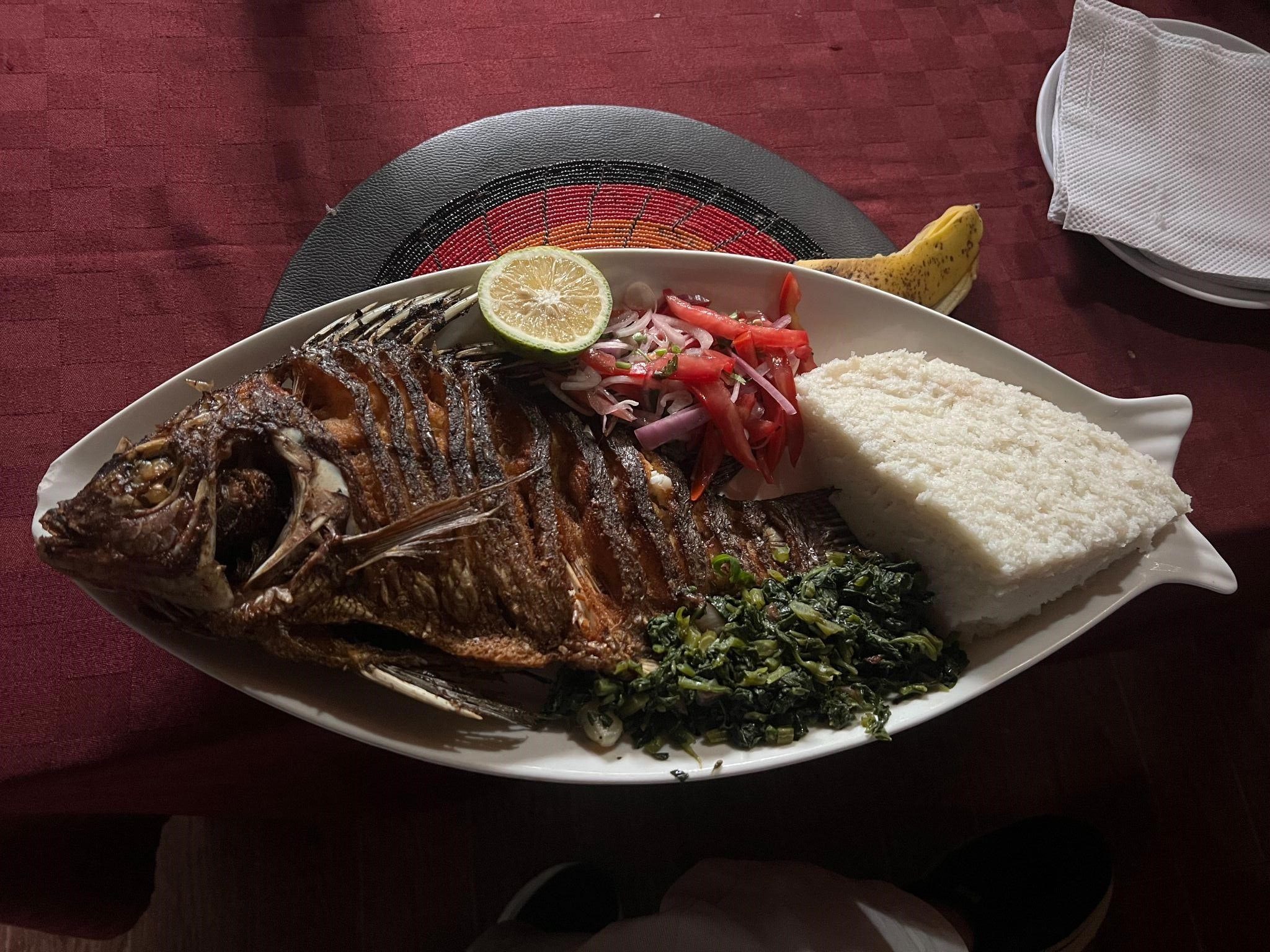
We also had the chance to join the Kenya Red Cross and UNICEF teams as they traveled to more remote regions of Migori—gold mining towns, sugarcane-growing areas, and hard-to-reach communities. We sat in on mother-to-mother support groups, where women gathered to share their experiences and learn together. One of the most memorable moments was watching mothers build a model plate of food tailored for specific populations—like a lactating mother or a 7-month-old baby—followed by vibrant discussions about budgeting, food prep, and nutrition myths. And at the end, we all gathered to share a meal of all the local food used in the demonstration.
And of course, we’ve visited the shamba itself! With guidance from our brilliant agricultural coordinator, Fredrick, we’ve seen firsthand what’s being grown and how the agricultural lessons are structured. From amaranth to spiderplant, these crops will help improve nutrition for pregnant women. Understanding the crops has helped us better tailor our nutrition messages to what’s locally available and culturally appropriate.
This summer has been a blend of learning, listening, and witnessing health at the grassroots. I’ve come away with a deeper appreciation for the intersection of medicine, nutrition, and community work—and for the amazing people who carry out this work every day.
That’s all for now. See you back in San Diego!
