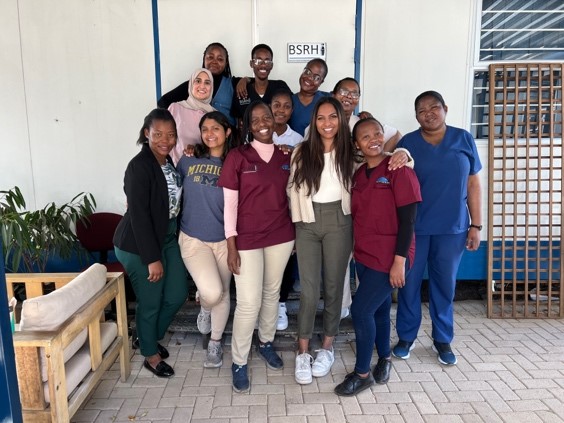
Dumela from Gaborone! This summer, I was given the opportunity to conduct research in Botswana under the mentorship of Dr. Adriane Wynn (UCSD) and the wonderful team at the Botswana Sexual and Reproductive Health Initiative (BSRHI).
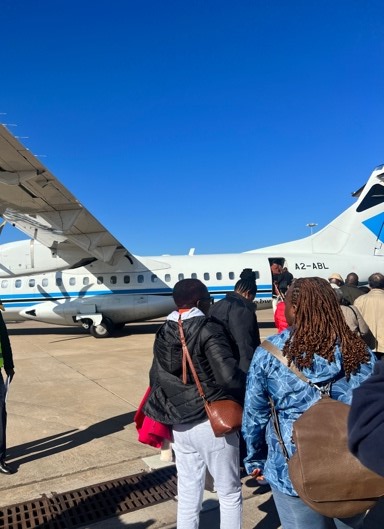
Image 1 – Flying into Gaborone
With BSRHI, I learned about the important work being done to both understand the epidemiology of sexually transmitted infections (STIs) in Botswana and diagnose and prevent new infections in patients. One study I was able to observe and participate in was the Multi-Country Aetiology of Genital Ulcer Study (MAGUS), a Gates Foundation-funded study with the goal of understanding the causes of genital ulcer disease. In this study, the BSRHI team relied on both social media campaigns and local medical centers to refer patients with genital ulcers to our research site for recruitment.
To aid these efforts, I accompanied our BSRHI nurse coordinator Bame Bame, and research nurse Shelby Chakona, to STI-focused medical conferences and nearby clinics to raise awareness for study participant recruitment among health care providers. Being able to visit a variety of health centers in different neighborhoods gave me insight into the differences in resource availability from clinic to clinic. I also was able to observe how our research team built relationships with the clinic healthcare staff and matrons, assisting a bidirectional flow of assistance and information, and the emphasis placed on mutual respect, camaraderie, and working together as a team so that both our research goals as well as clinic needs were met at any given time.
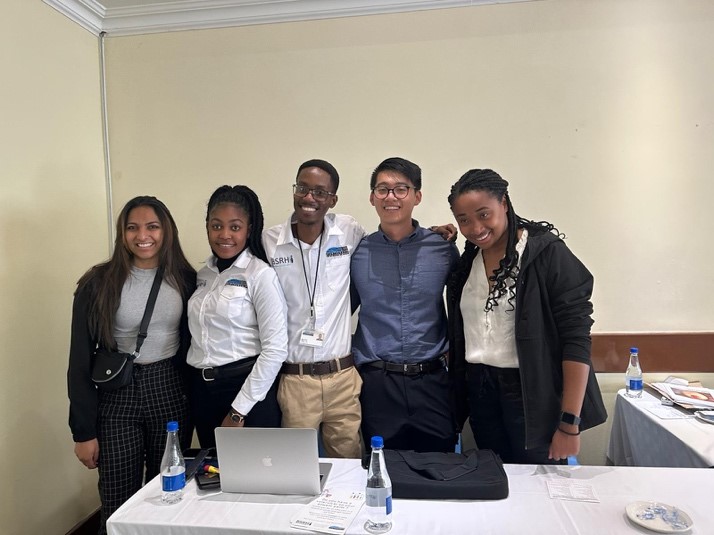
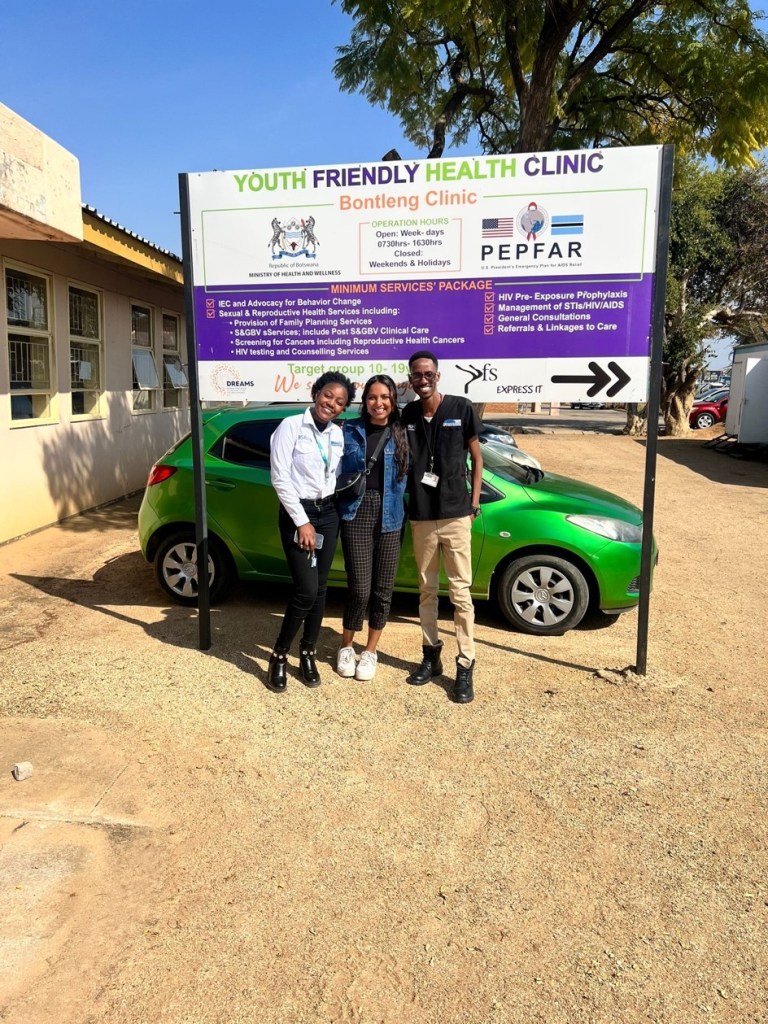
Image 3 – Visiting a local clinic to meet with the matron about recruitment with BSRHI team members Shelby and Bame
Another project I assisted with was the MADUO Syphilis study. Botswana has the third-highest prevalence of HIV in the world, and high rates of adverse pregnancy and neonatal outcomes due to maternal syphilis infection. Use of rapid HIV tests during antenatal care visits have drastically reduced maternal-to-fetal HIV transmission (under 2%), and have helped expand antiretroviral therapy (ART) coverage to 95%. However, efforts to curb syphilis have not been as successful, and especially in pregnant people co-infected with both HIV and syphilis, rates of preterm birth, low birthweight, and stillbirth are high.
To combat this, the BSRHI team is researching how the Botswana Ministry of Health may be able to capitalize on the success of rapid HIV testing by exploring the introduction of dual HIV/syphilis point-of-care testing in antenatal care visits. To understand the acceptability and feasibility of this new testing method among both providers and patients, the BSRHI team conducted a series of interviews amongst health care workers. I assisted the team with transcribing these interviews, and really was able to gain a deeper insight into provider sentiment, as well as learning more about how the clinics are run, challenges faced, and general workflow/duties of one person to the next. I was surprised by how open many of the providers were to changing the current system, and by the number of ideas they proposed for implementation.
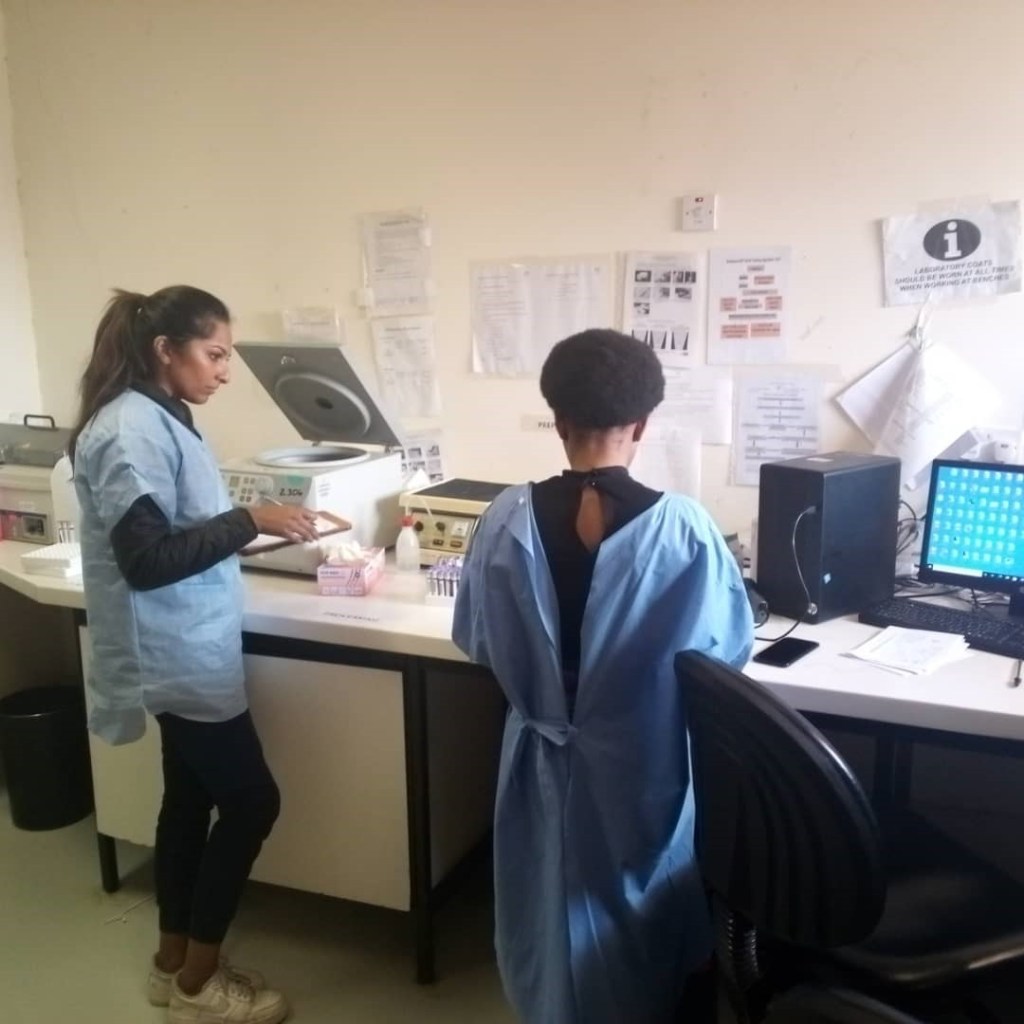
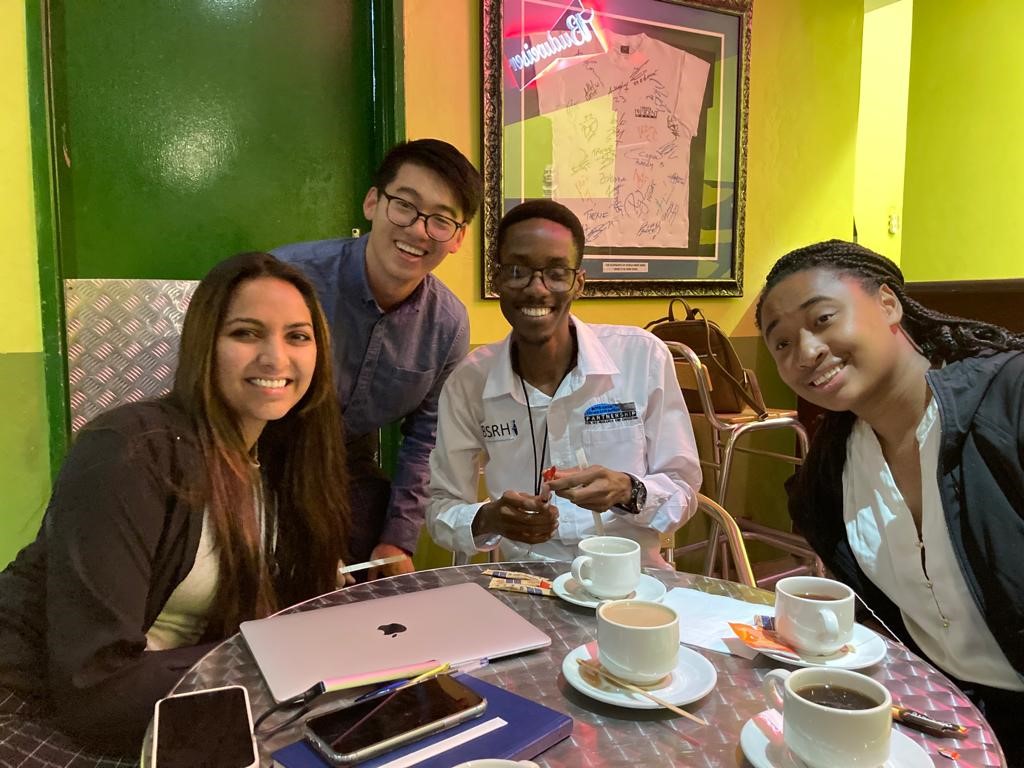
Image 4 – Our team members transcribing interviews and going out for a coffee after.
Next, the team sought to run a costing analysis to compare the current testing methods to the dual testing. To do so, I ran time-motion observations of the current RPR testing methods. This involved following each step of the RPR testing from blood collection, to transport, to lab analysis. I timed each step and recorded all materials required so that our team could approximate the overall cost of this method. As is common in global health work, there were many challenges faced in attempting to get these observations done, including low supply of reagents and roof cave-in at the lab. With the help of the staff and adaptability on behalf of the team, however, I was able to collect all my data before having to leave.
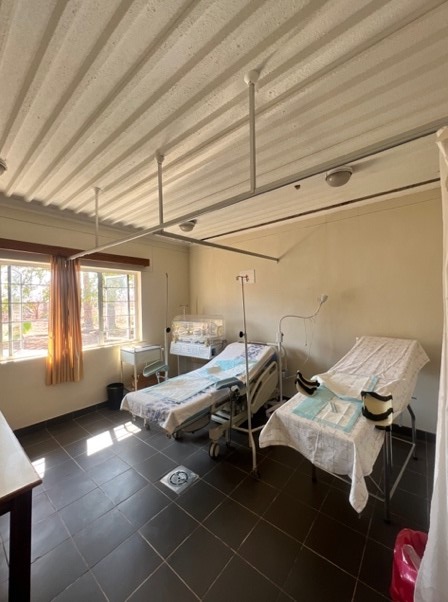
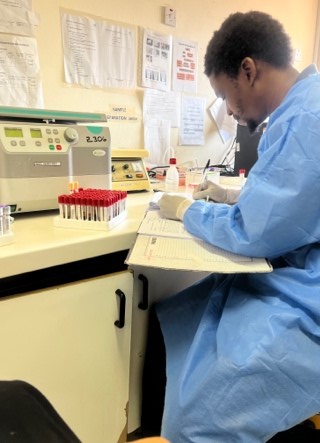
Image 5 – Taking time-motion observations from blood collection on the clinic side to running of samples in the lab
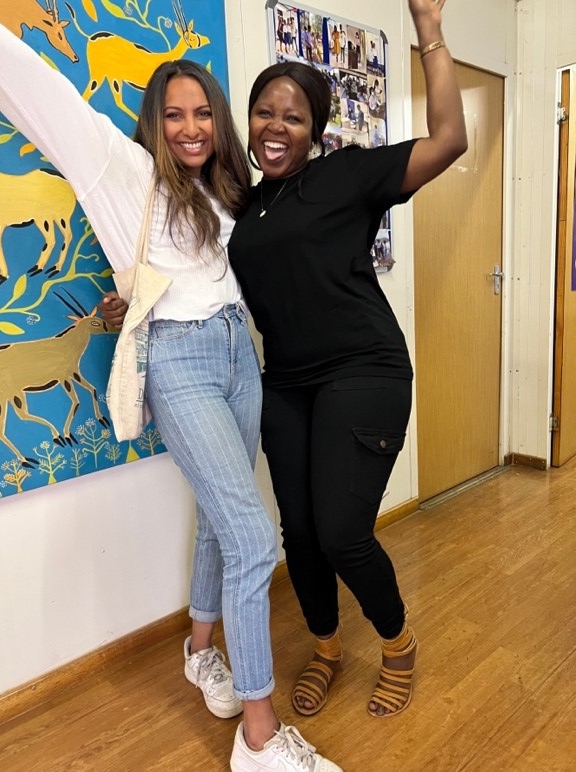
I had such an enriching summer working with BSRHI. I learned so much about health care delivery in Botswana and gained new technical skills. I also made some great friends among our team members, who taught me all the Setswana I know, shared stories every Monday after a weekend apart from each other and laughed over many Nando’s lunches. I look forward to continuing my relationship with them in both a research and personal capacity. Attached below are some pictures with the team!