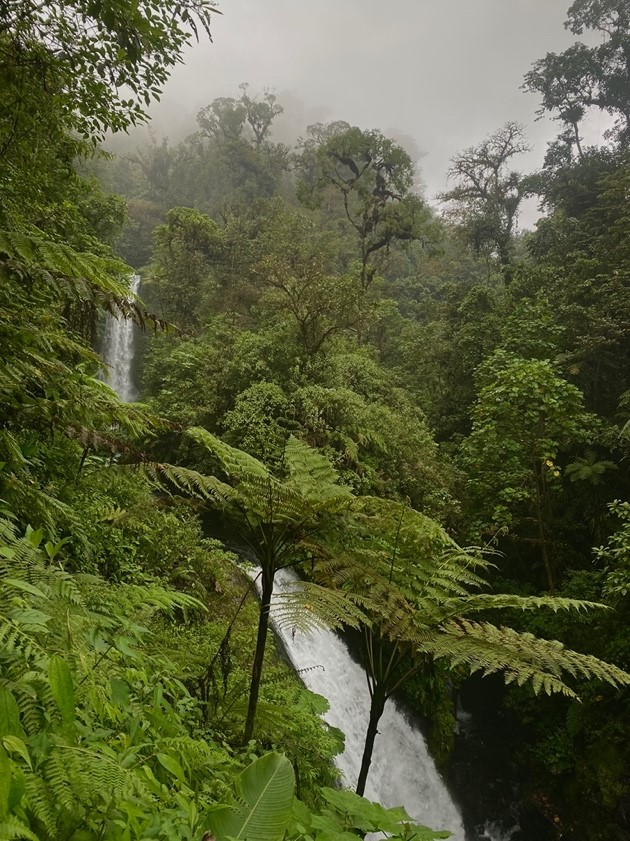
Costa Rica stands out for its remarkable biodiversity, frequent seismic and volcanic activity, and significant agricultural exports. The country has prioritized the preservation of its diverse ecosystems by establishing 29 national parks, interconnected by pristine wilderness. During my travels, I had the opportunity to explore Manuel Antonio National Park, founded in 1972. This park is renowned for its picturesque beaches, verdant rainforests, and abundant wildlife, including playful monkeys, serene sloths, and a myriad of bird species. While navigating the park’s trails, I witnessed firsthand the vibrant animal life, with monkeys cheekily rummaging through tourist belongings in search of food (a behavior strictly prohibited within the park) and sloths peacefully dozing in the treetops.
I also ventured to Poás Volcano National Park, established in 1955, which boasts an active volcano known for its frequent phreatic eruptions, characterized by steam-driven explosions. Costa Rica’s inclusion in the Pacific ‘Ring of Fire,’ a region marked by intense tectonic activity along the Pacific Plate rim, underscores the country’s geological dynamism. Additionally, I explored the iconic Arenal Volcano and its adjacent hot springs, another testament to Costa Rica’s volcanic landscape.
Amidst the natural wonders, I delved into Costa Rica’s cultural heritage and discovered the traditional art of ox cart painting. Originating as a practical necessity in the late 19th century, these intricately adorned carts have evolved into cherished symbols of Costa Rican identity. Crafted using traditional methods, such as water-driven saws, and adorned with symmetrical designs meticulously hand-painted by skilled artisans, these ox carts showcase the country’s rich cultural legacy.
While tourism flourishes, agriculture remains a cornerstone of Costa Rica’s economy. Vast plantations of coffee, bananas, and pineapples dominate the countryside, fueling economic growth and stability. However, the reliance on these key crops has its drawbacks, contributing to deforestation and widespread pesticide usage. Balancing economic prosperity with environmental sustainability poses ongoing challenges for Costa Rica’s agricultural sector.
In essence, my journey through Costa Rica offered a multifaceted exploration of its natural wonders, cultural heritage, and economic dynamics. From the lush landscapes of national parks to the vibrant traditions of ox cart painting and the complexities of agricultural production, Costa Rica’s allure lies in its rich tapestry of biodiversity, culture, and commerce.
A monkey drops from a tree onto the beach (Manuel Antonio National Park)

A sloth scratching before returning to its nap (Manuel Antonio National Park)

Poás Volcano’s active crater (Poás Volcano National Park)
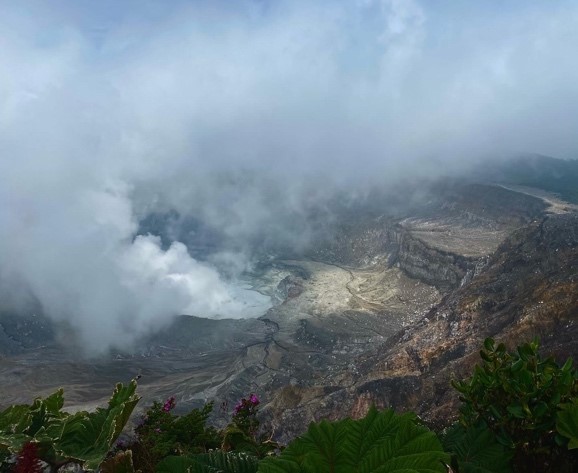
Laguna created by prior Poás Volcano crater (Poás Volcano National Park)

Templo Catolico de Sarchi Norte on Sarchi Park

The largest ox cartwheel with regular-sized oxcarts featured behind, in Sarchi

La Paz waterfalls