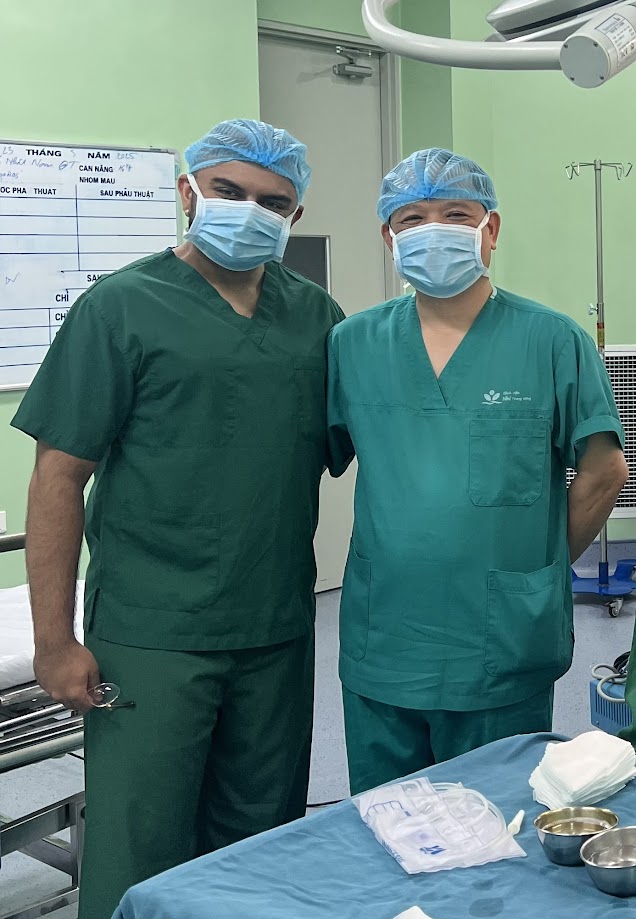
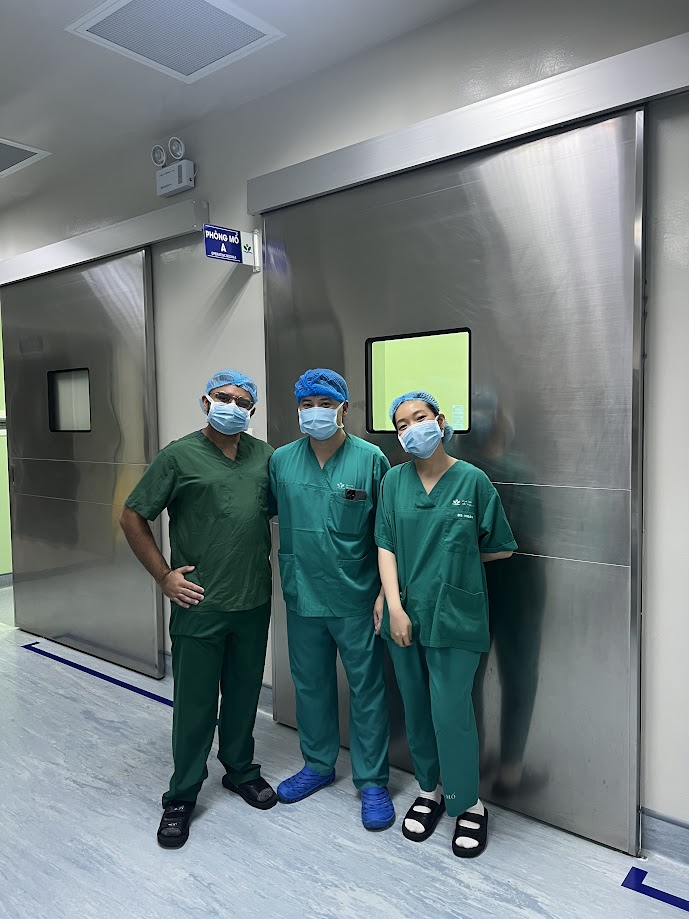
My time at the National Children’s Hospital in Hanoi was transformative. Days started early with a quick walk through the bustling hospital grounds, past vendors selling sticky rice and pho. By 8 AM, we were in scrubs reviewing the OR schedule. I worked closely with Dr. Quang, a pediatric urologist whose surgical precision was matched only by his compassion and dedication to teaching.
Observing Dr. Quang perform surgeries was remarkable. From complex hypospadias repairs to delicate ureteral reimplantations, the surgical team operated with impressive skill and efficiency despite limited resources compared to U.S. centers. They made methodical decisions even without technology like robotics, achieving excellent outcomes without compromising patient care.
Outside the OR, I mentored Vietnamese medical students on pediatric urology research projects. Afternoons were spent navigating journals, analyzing data, and framing analyses. Their work ethic and eagerness reminded me of my early days in research—full of curiosity and determination. The mentoring experience was mutually enriching; while I provided guidance on research methods, I learned a great deal about medical education and practice in Vietnam.
One of the highlights of this experience was recognizing global health as an exchange rather than one-directional aid. I learned as much from observing surgeries here as from rotations in the U.S. It was evident how resilience could strengthen a health system, how patient care thrives on family involvement, and how clinical excellence is more about judgment and skill than advanced technology alone.
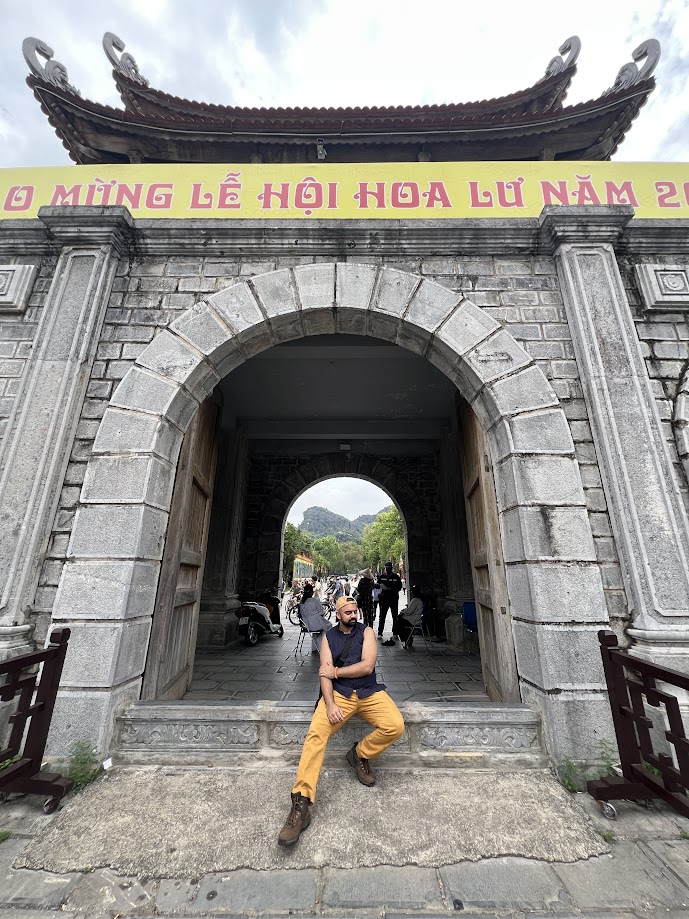
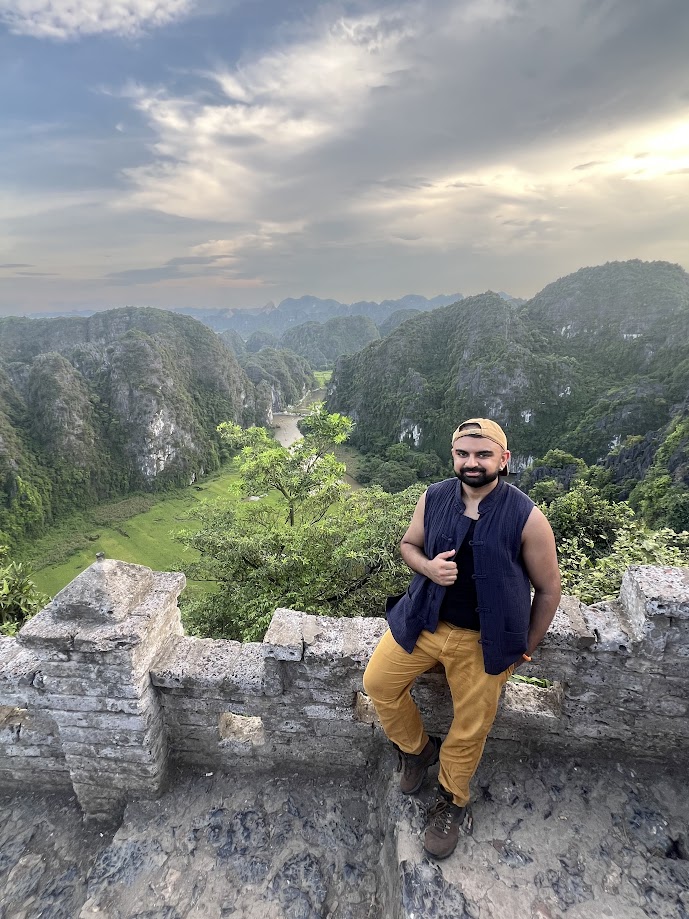
After weeks of clinical work, I explored Vietnam further. My journey began in Ninh Binh, known for its dramatic limestone cliffs rising from rice paddies. The quiet mornings there—boats gently gliding through fog-covered fields—were a refreshing contrast to Hanoi’s busy streets.
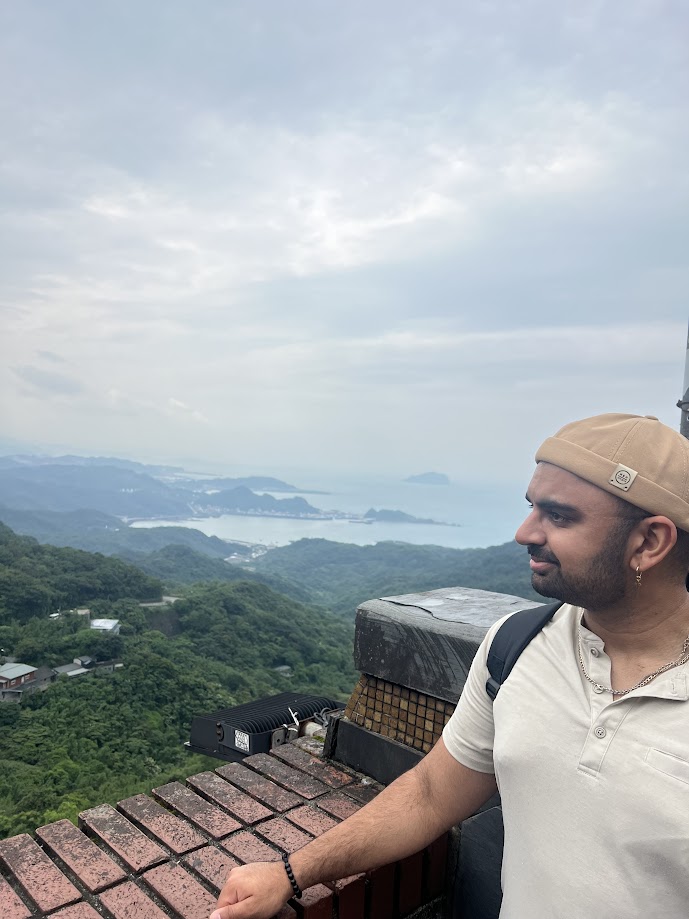
Ha Long Bay was next. I joined an overnight boat tour, sailing between emerald-green islands and swimming in secluded coves. The nighttime skies, filled with stars, felt surreal—one of those rare places that photographs can’t truly capture.
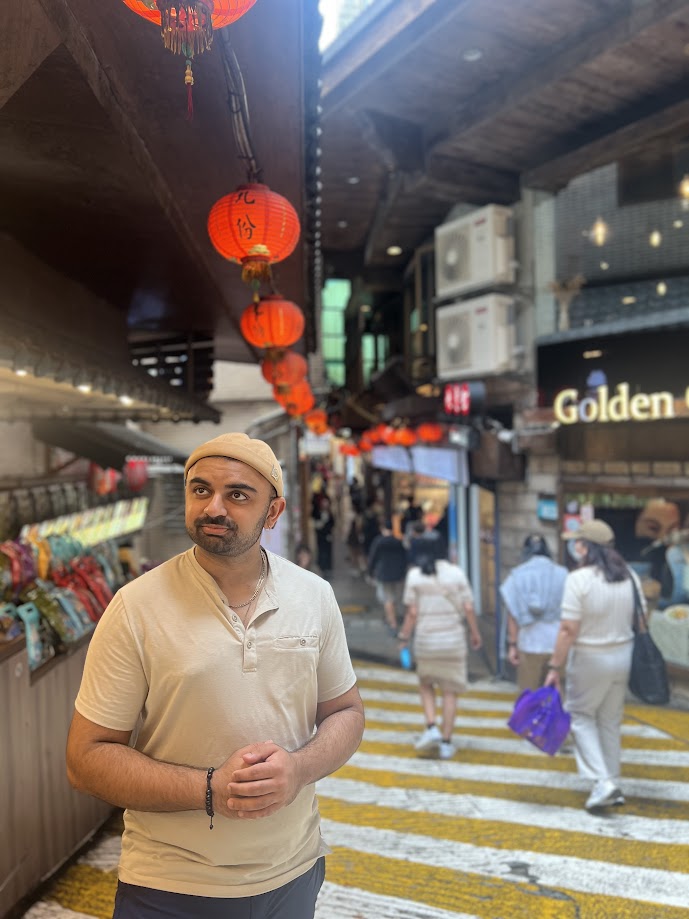
Hoi An quickly became a personal favorite. At night, the town was illuminated by colorful lanterns strung above cobblestone streets, filled with aromas of grilled meats and incense. Days were spent biking to nearby An Bang beach, savoring cà phê sữa đá (Vietnamese iced coffee), and sampling various bánh mì sandwiches. Hoi An had a timeless charm, from its faded yellow buildings along the Thu Bồn River to the local tailors crafting clothing by hand.
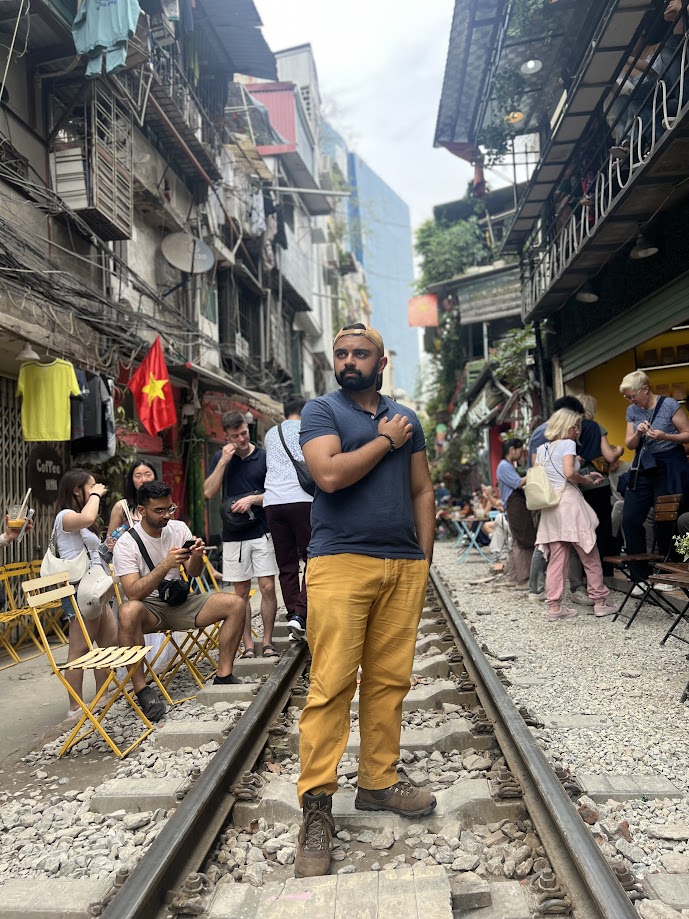
Da Nang offered a different experience, blending urban convenience with coastal relaxation. Here I enjoyed local specialties like mì Quảng noodles and seafood hotpots from bustling street markets. Afternoons often involved café visits to escape the heat, sipping iced coconut smoothies while watching daily life unfold.
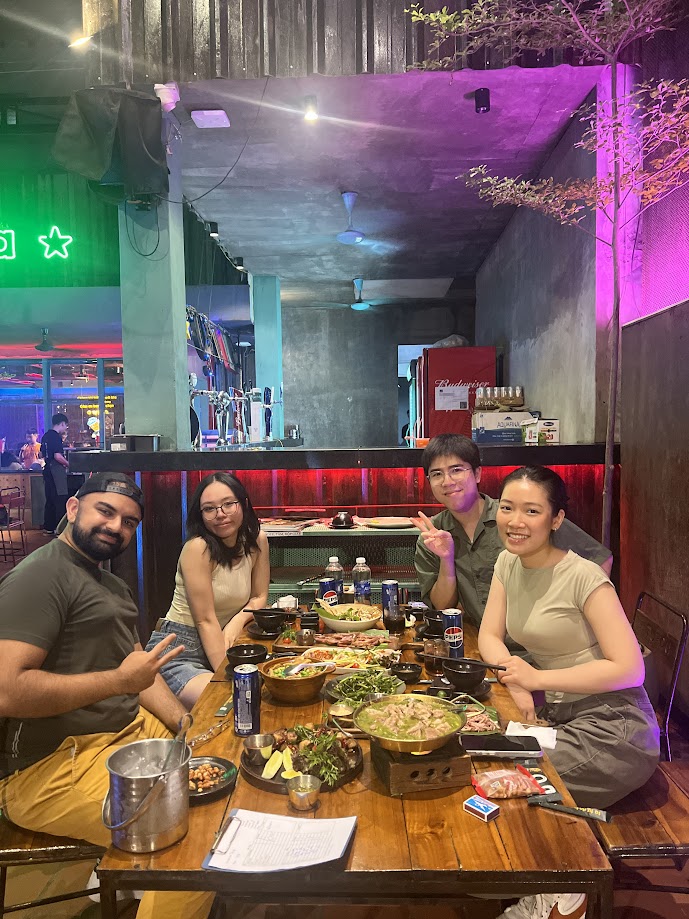
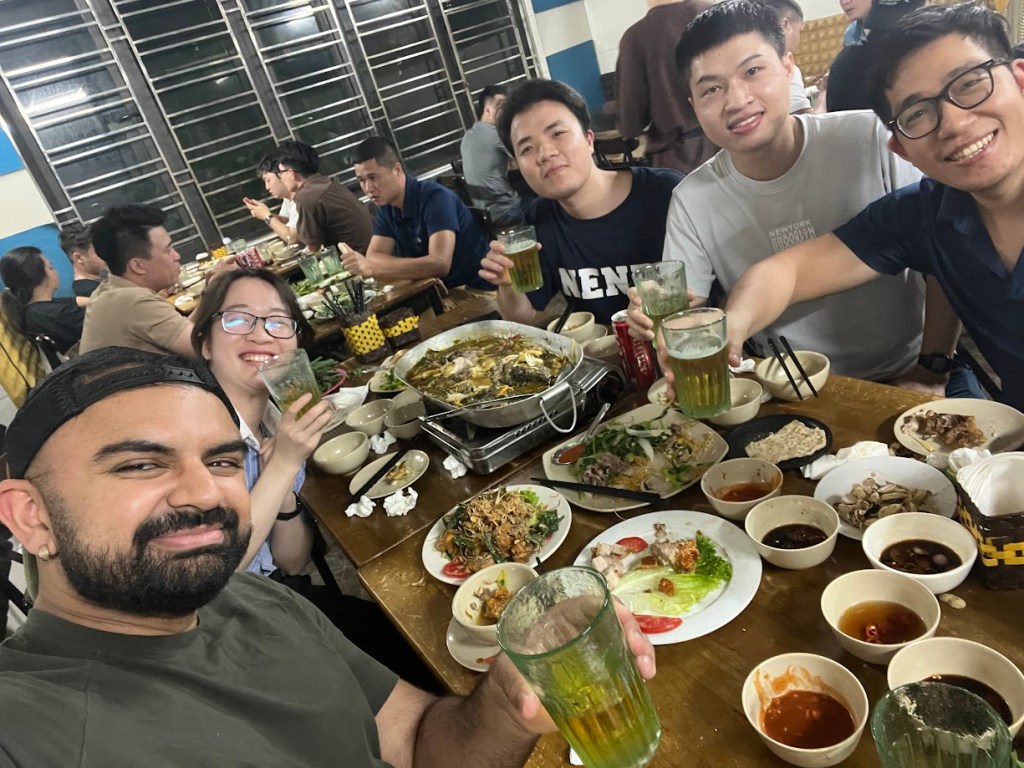
Vietnam’s beauty lies not only in its landscapes but also in the rhythm of everyday activities: vendors balancing baskets of fruit, children playing near ancient temples, elders gathered over tea and chess. It reminded me why global health appeals to me: to connect, hear personal stories, and better understand the environments shaping our patients’ lives. Though initially drawn by clinical experiences, my time here also gifted me new friendships, unforgettable cuisine, and lasting memories beyond hospital walls.