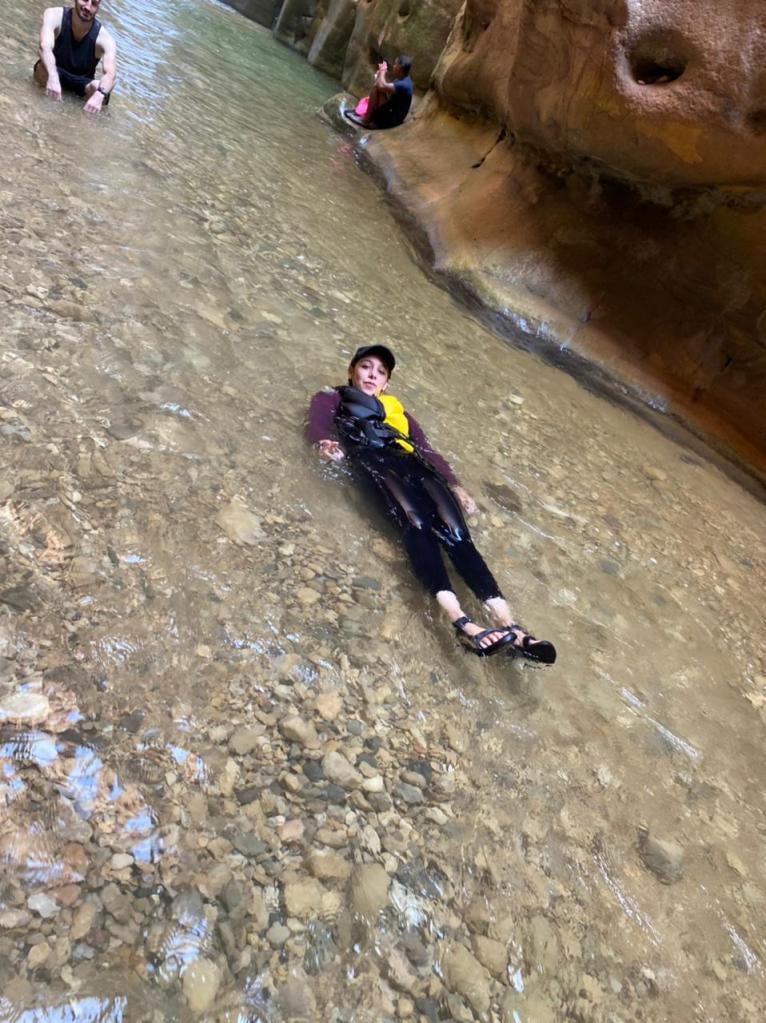
Hola from Huanchaco!
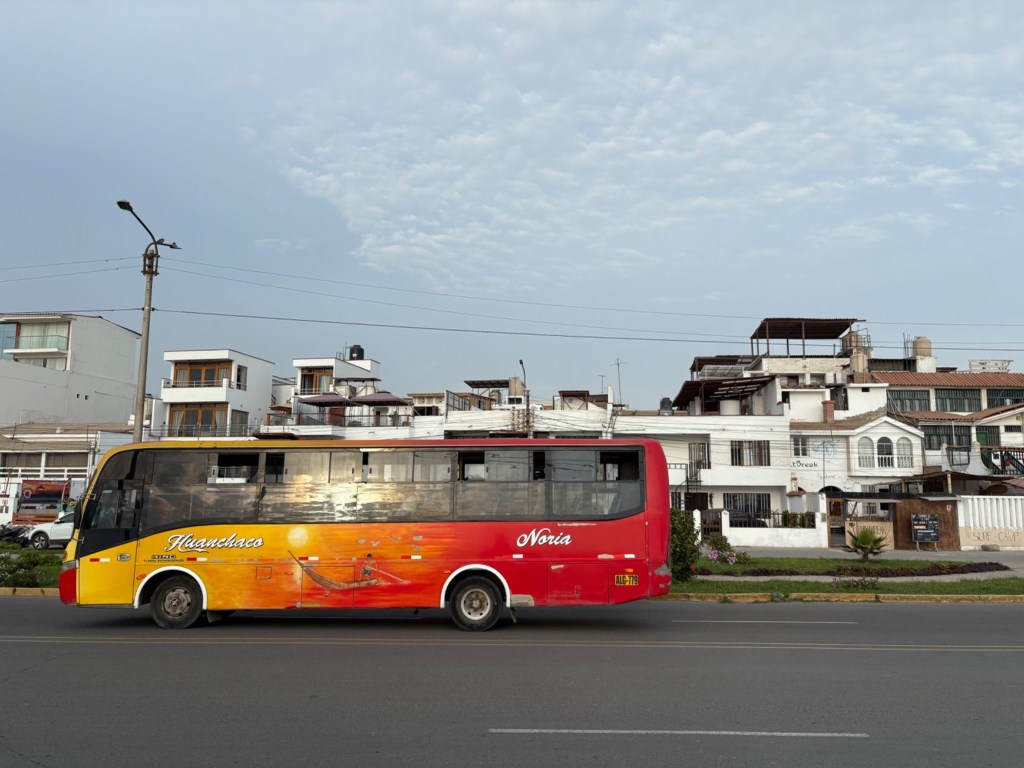
I am writing from Huanchaco, Peru, a small beach town in the northern part of the country, where a fellow medical student and I are participating in a clinical rotation as part of the GHAC curriculum. Our rotation is hosted through the organization called Hands on Peru which runs a public health clinic in the village of Villa Los Angeles. The clinic, called Centro de Salud Pública (CESAPU), provides low-cost services including ultrasound, physical therapy, mental health care, and dental care to the surrounding community. While here we also rotate at a government run clinic or Posta de Salud and a government run hospital. It is interesting to rotate through these different settings and observe how care is provided in each. In Peru there is a universal health insurance plan called Seguro Integral de Salud (SIS) and a social security program available through one’s employment called EsSalud. Individuals can also seek out private healthcare which has shorter wait times and more robust infrastructure but is very expensive. It has been interesting to see the parallels in the limitations to healthcare access between the US and Peru. Neither system are near perfect and each excel in different aspects of care!


On the days we are at CESAPU we help with triage. We check in patients, take vitals, and collect a finger prick blood sample for point of care tests. This was a good environment to practice medical Spanish in because it was repetitive and involves basic conversation. We also work with Dra. Amber to see patients for ultrasound. Ultrasound is heavily used in this setting. Dra. Amber shared that while they have limited access to the labs and tests, they can run at the clinic, the ultrasound can be useful in helping her decide who should seek further care. In one clinic-day we see a patient with gastritis, a prenatal patient, a 5-year-old boy with a viral upper respiratory infection, a 65-year-old woman with back pain, and a patient with ovarian cyst. Dra. Amber practices true family medicine seeing anyone who walks through the door with any concern. I learn so much from the time I spend with her!

On Tuesdays we go to the government hospital in Laredo. At this hospital there is an emergency room, labor and delivery, an inpatient ward, and specialty care clinics. We spend some time in the emergency room where we see a few diabetic patients for elevated blood glucose. Dr. Jorge explains to us that many patients that would be treated with home insulin in the United States are not in their community due to limited access. Instead patients come to the emergency room for treatment with insulin. We also spend some time with specialty clinics at the hospital in Laredo. I spent one afternoon with pediatrics doing well-child checks. Laredo is a teaching hospital and local Peruvian medical students were rotating while we were visiting. Nurse Shailee who runs the well-child clinic reviewed the newborn physical exam with me and the local medical student. It was cool to see how similar medical education is in a different part of the world.
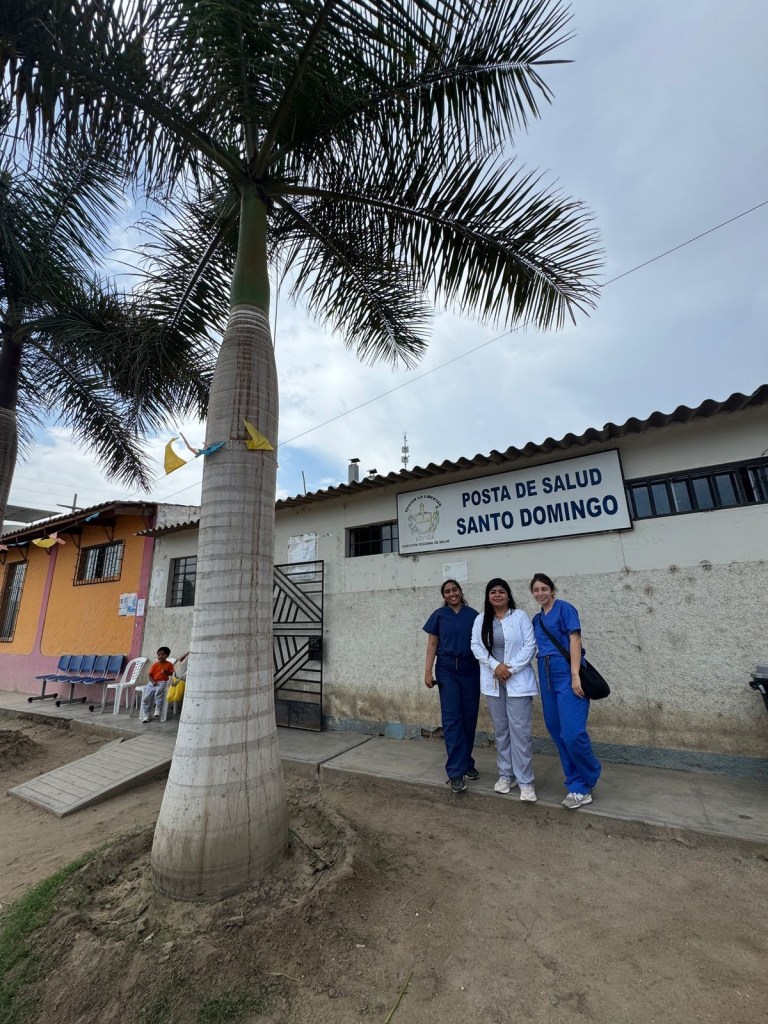
Later in the week we join Dra. Diana at the Posto de Salud in Santo Domingo. She kindly picks us up in the morning and we drive through sugarcane fields to get to the clinic. Dra. Diana tells us that this neighborhood is jokingly called Dulce Santo Domingo or Sweet Santo Domingo because it is surrounded by sugarcane farms – and diabetes is common here, she adds. Dra. Diana is the only physician who staffs this posta and the community is very familiar with her. She sees patients of all ages for all their care. When we approach the clinic there is a line of patients waiting for her. They all greet her with hugs as she walks in. It is so clear that Dra. Diana plays such an important role in this community and that she is passionate about her job. We see patients for chronic conditions such as hypertension, diabetes, and asthma. We learn so much about the physical exam from Dra. Diana as it is the main tool she uses to assess her patients. We are so dependent on labs in the United States I think we forget how informative a thorough physical exam can be. Very grateful to Dra. Diana for the refresher!
In between clinical duties we have been enjoying the warm weather in Huanchaco. We took a few surfing classes. We are taking a Spanish class a few evenings of the week. Next week we have a trip to Cusco planned for the Easter holiday. Very grateful to our hosts here and the team at UCSD that made this all happen.
Hasta luego!