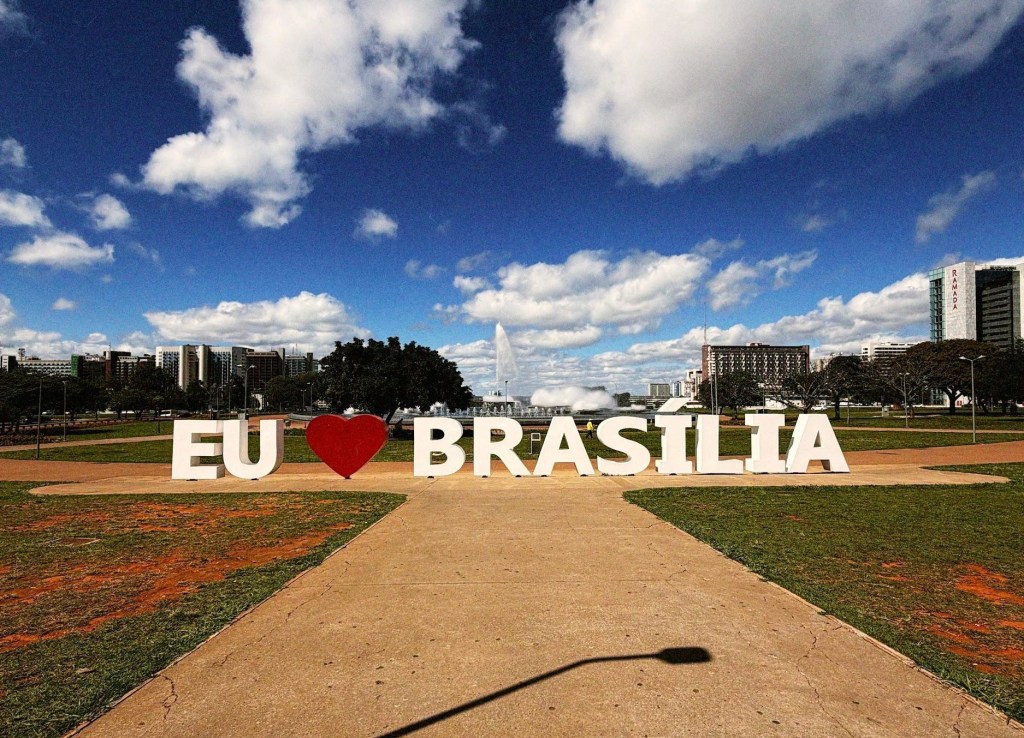
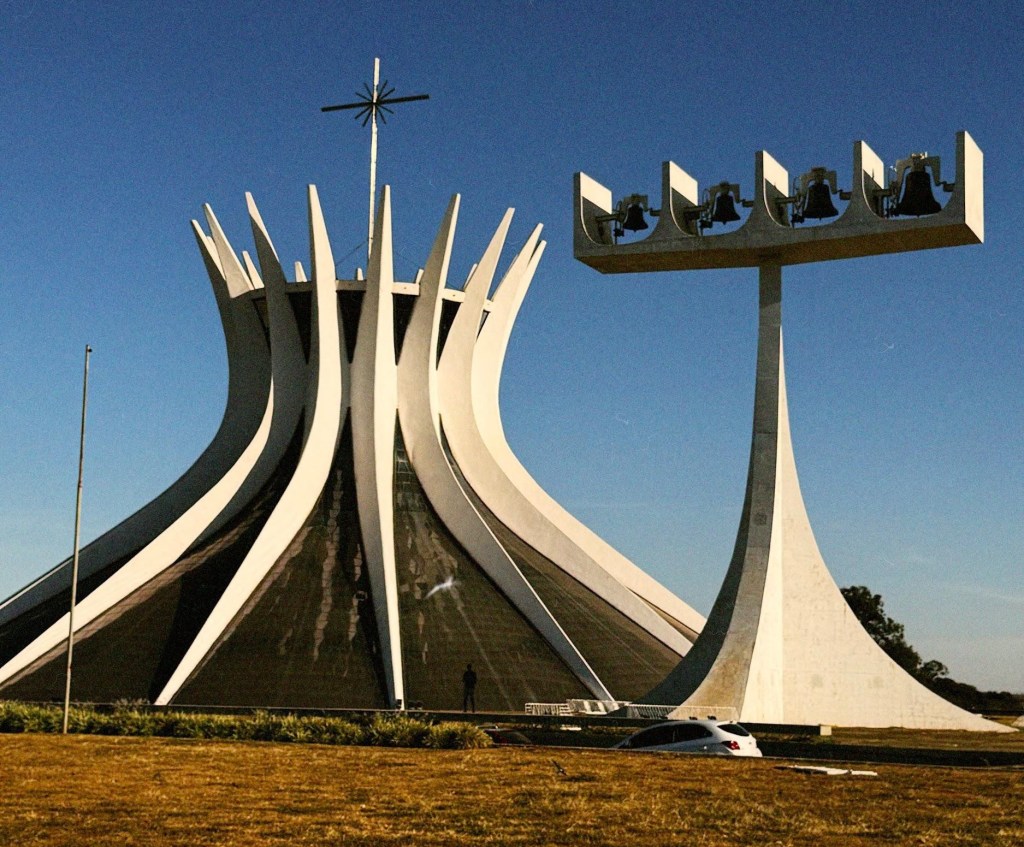
When I returned home from nearly two months in Brasília, the most meaningful souvenir in my suitcase wasn’t a gift or a photograph. It was a worn-out notebook filled with seemingly random Portuguese words I had scribbled down throughout the summer. Some were medical terms I heard and quickly translated in between patients in the hospital. Others were bits of Brazilian slang scribbled down after conversations with physicians, friends, or strangers at the local açaí shop. Looking back, those pages became much more than vocabulary lists. Each word reminds me of a person, place, or a lesson that defined my summer.
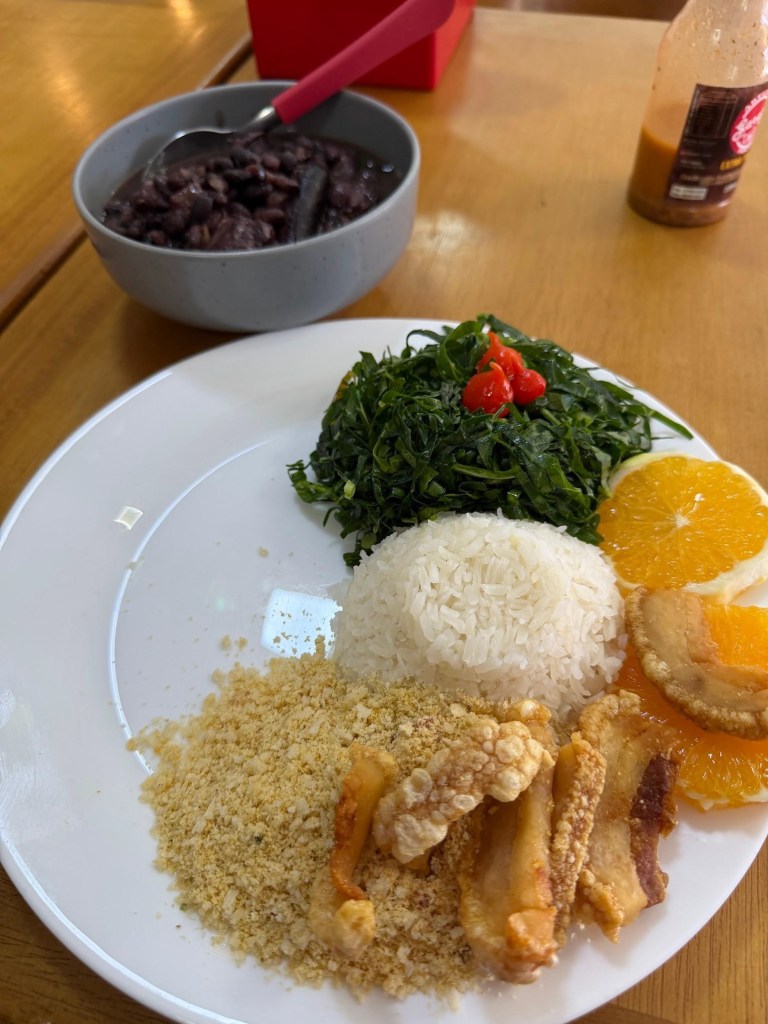
Feijoada
Before this summer, to me, feijoada was simply Brazil’s iconic black bean stew. By August, it had become one of my favorite memories.
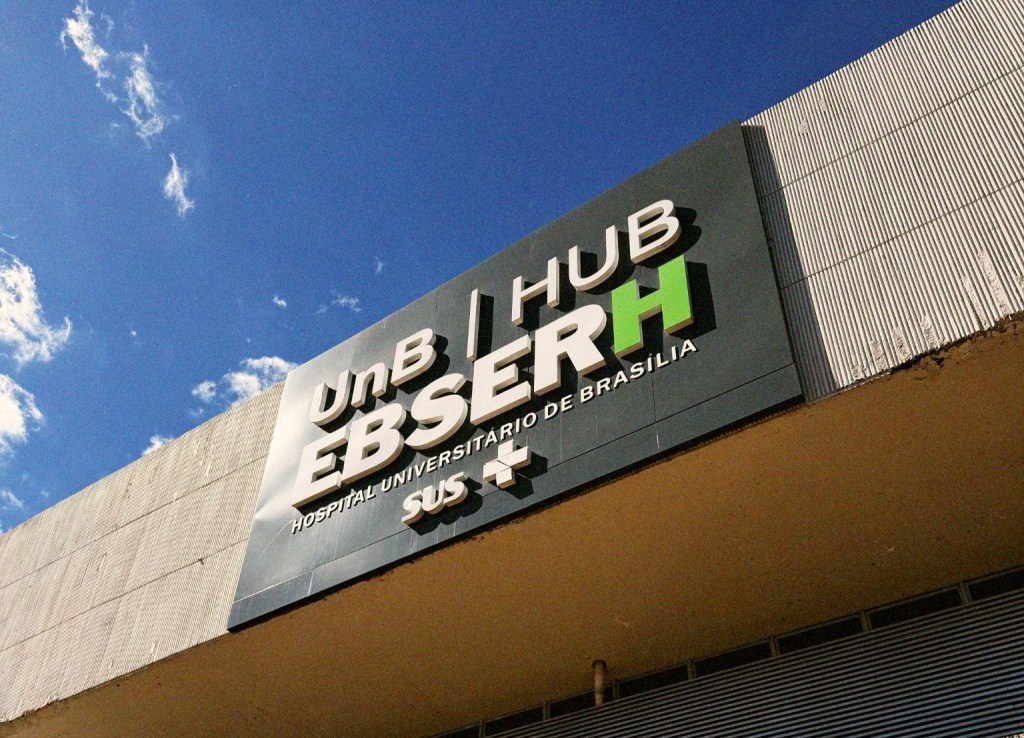
Every Friday, I traveled from Asa Norte to Ceilândia, where I worked alongside my preceptor, Dr. Clara Nunes, caring for patients in the Centro de Atenção Psicossocial Álcool e Drogas (CAPS AD), a psychosocial care center specializing in substance use disorders. On my very first day, Dr. Clara insisted that I have my first feijoada of the summer with her. Every week, over lunch, our conversations drifted effortlessly between psychiatry, philosophy, the politics of medicine, and whatever adventures I had found myself on the previous weekend.
Some of my most meaningful lessons about psychiatry didn’t happen inside an exam room. They happened over feijoada.
Fissura
One of the first psychiatric words I learned in Brazil was fissura—craving.
One patient in particular helped me understand what that word really meant. She returned to the addiction clinic again and again because she desperately wanted to reduce her crack use. Her motivation was unmistakable. So was her frustration. Despite sincerely wanting to stop, she found herself returning to the same patterns, shaped by addiction, trauma, and profound social vulnerability.
Watching her battle left me with a question I couldn’t shake: what exists between what we want and what we are actually able to do?
That question eventually became the foundation of my summer research project. Working with Dr. Andrea Gallassi’s research group, I examined which dimensions of substance use severity among people experiencing homelessness in Brasília were associated with an individual’s desire to reduce or stop using drugs. After meeting patients like her at CAPS AD, it became impossible to think of our dataset as just numbers. Every row represented a real person whose story was far more complex than any statistical model could capture.
Laboterapia
Some of the biggest lessons from my summer came from discovering that healthcare systems don’t all think alike.
One word I had never encountered before arriving in Brazil was laboterapia. Dr. Clara explained that many Brazilians with substance use disorders receive treatment in faith-based therapeutic communities, where they live and work on rural farms as part of their recovery. Whether or not one agrees with every aspect of the model, it reflects a history and philosophy of addiction care that differs markedly from many approaches in the United States.
Those conversations naturally expanded into discussions about harm reduction, abstinence, and the realities of practicing within Brazil’s public health system, where limited resources often influence which medications physicians can offer. Rather than convincing me that one country’s approach was better than another’s, they reminded me that medicine is always shaped by the culture and communities it serves.
Padaria
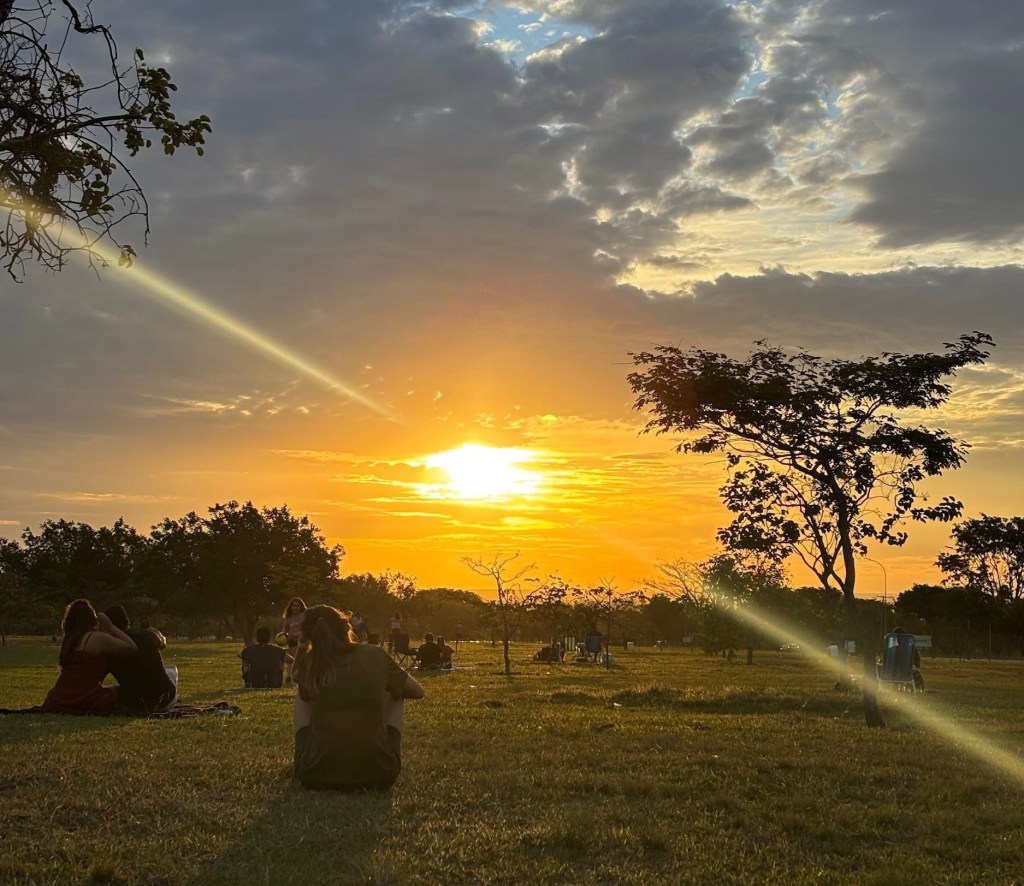
My neighborhood padaria, or bakery, became one of my favorite places!
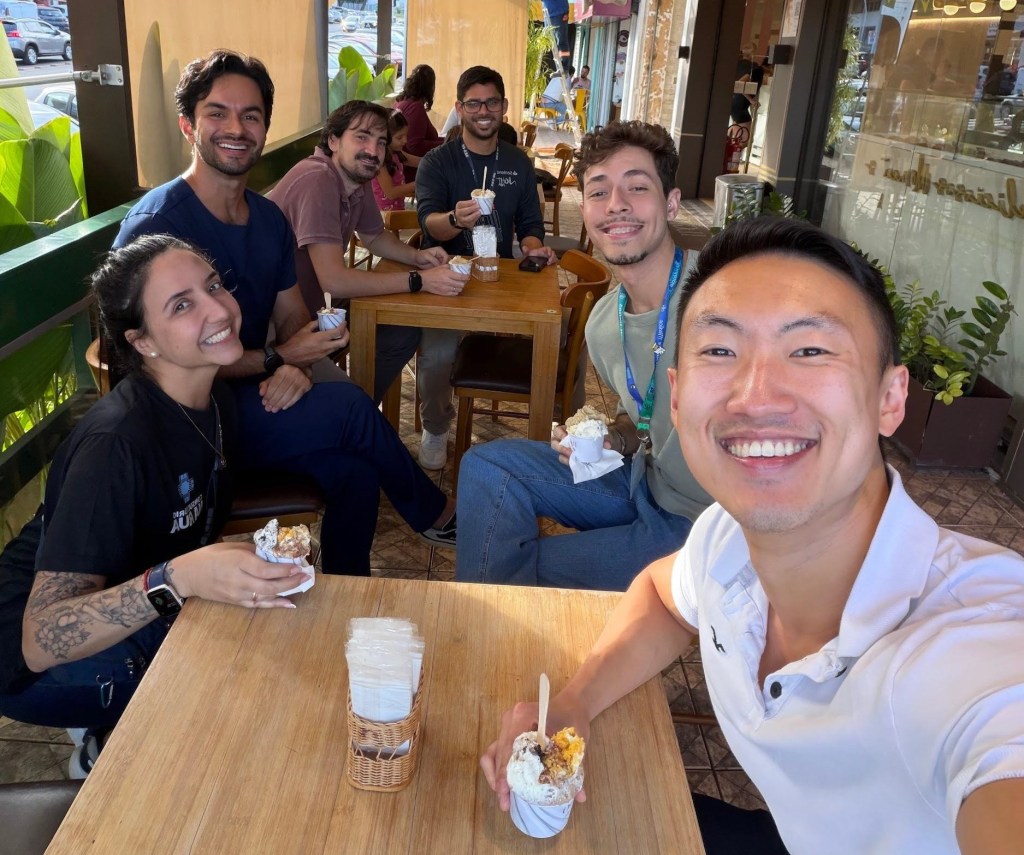
Most mornings began with a stop for a warm pão de queijo or a broa de milho before heading to the hospital. After clinic, it wasn’t unusual for a few of us, medical students, residents, and attendings, to end up back at a bakery, chatting about our day, comparing medical education in Brazil and the United States, or simply deciding what to do over the weekend.
Those routines quickly transformed unfamiliar places into familiar ones. Before long, the neighborhood padaria felt just as much a part of my daily routine as the hospital itself.
Karaokê
Long before I ever came to Brazil, Brazilian music was what first made me want to learn Portuguese.
Artists like Anitta, Pedro Sampaio, and Pabllo Vittar introduced me to a language and culture that eventually led me to São Paulo on a Fulbright, and later, to this GHAC summer in Brasília. This time, however, the music wasn’t coming through my headphones—it was everywhere around me.
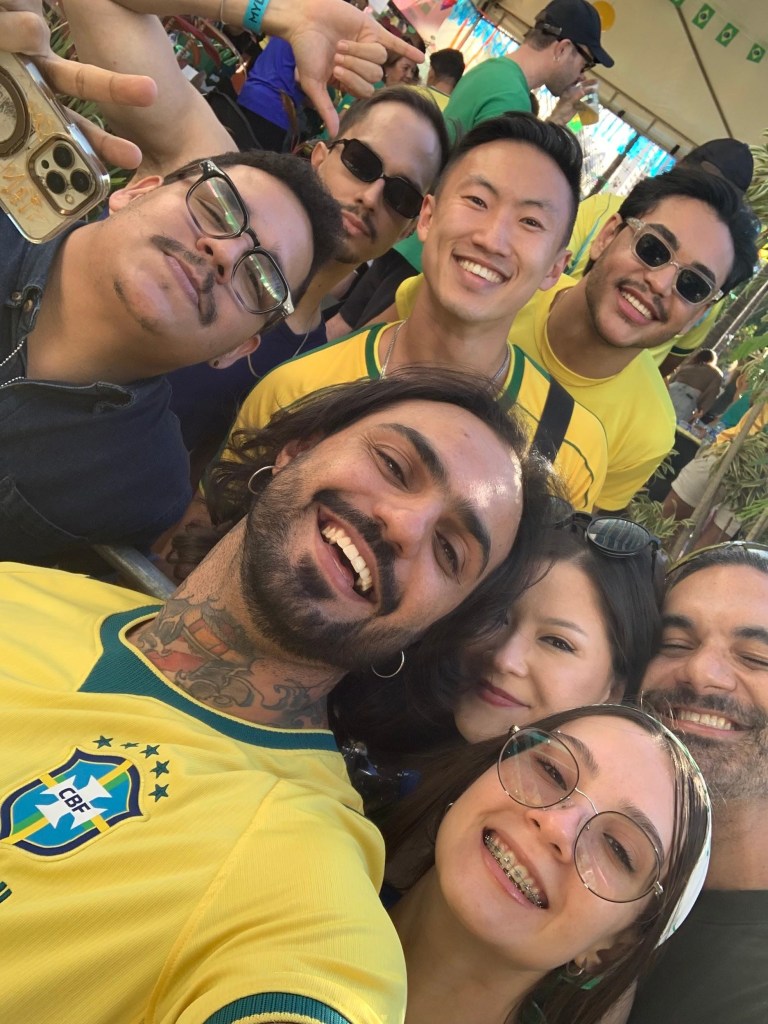
Some nights ended at karaoke with new friends. Others were spent dancing at samba parties or Brazilian funk nights. One of my favorite memories was dancing alongside thousands of people at the Brasília Pride March, following giant trucks with stages on top blaring music down the main avenue of the city center.
Saudade
When I look back on my summer, I think about much more than the research project I completed or the clinics where I trained. I think about the words I brought home—words I no longer treat as vocabulary words, but as reminders of the mentors, patients, friendships, and everyday moments that made Brasília feel like home.
Maybe that’s why Brazilians have a word like saudade. It’s more than simply missing a place. It’s carrying a piece of it with you long after you’ve left.